Kitesurfing in Hurghada: The Best Spots, the Windy Season and Lessons for Beginners
The Red Sea coast around Hurghada is windy for much of the year, and El Gouna, Soma Bay and Safaga are known kite spots. Here is when to go, which spot suits you, how lessons for beginners work, what to bring and how to get there.
Kitesurfing in Hurghada is one of the best reasons to love the wind on this coast. The Red Sea around Hurghada is windy for much of the year, and a few spots nearby, El Gouna to the north and Soma Bay and Safaga to the south, are known well beyond Egypt for their steady wind and flat, shallow water. This guide explains when the wind is best, which spot suits you, how lessons for beginners work, what to bring and how to get to the kite beaches from your hotel.
Why the Hurghada coast is good for kitesurfing
The wind on this part of the Red Sea comes mostly from the north and blows on many days of the year. It is often stronger in the afternoon than in the morning, which suits kiters well: a slow breakfast, then the beach. The desert behind the coast means little rain and lots of sunshine, so a windy day is usually also a bright one.
The other reason is the water. Several kite spots have wide areas of shallow water over sand, where you can stand up after a fall. That is a big help for beginners, and on flat water experienced riders can practise tricks or simply cruise. The sea is warm enough for kitesurfing all year, from about 21–22°C in late winter to 28–29°C in late summer; our page on Hurghada weather by month has the details.
When to go: the windy season
You can kitesurf around Hurghada in every season, but the months feel different:
- •Spring to autumn brings the most regular wind and warm water. Summer days are hot on land, but on the water the wind keeps you cool. This is when most kiters come.
- •Winter still has windy days, but they come and go more, the air is cooler in the evening, and you'll want a full wetsuit.
- •Calm days happen in every season. If you're coming to learn, plan your lessons early in your holiday, so a day or two without wind doesn't cut your course short.
For the rest of your holiday, our guide to the best time to visit Hurghada compares the seasons for the beach, diving and desert trips.
The best kite spots near Hurghada
Most kiters don't ride from the busy beaches in the centre of Hurghada: they are full of swimmers and boats, and many have reefs close to the shore. Instead they drive to one of the dedicated spots, where kite centres have a launch area, rescue boats and gear to rent.
El Gouna
El Gouna is a resort town about 25 kilometres north of Hurghada, around 30 minutes by car. It is one of the best-known kite spots on the Red Sea, with kite centres on its beaches and shallow water in places that is good for learning. After a session you can walk around the marina and have dinner by the lagoons. Our guide to El Gouna from Hurghada has more about the town.
Soma Bay
Soma Bay is a quiet resort peninsula about 50 kilometres south of Hurghada, 45 minutes to an hour by car. It is known for its steady wind and a wide bay, and many visitors choose its hotels for the kitesurfing alone. If you are staying there, our guide to Soma Bay excursions explains how to combine the bay with trips from Hurghada.
Safaga
Safaga lies a little further south, about an hour from Hurghada. Its open bay has long been popular with windsurfers and kiters, and it is usually less crowded than the bigger spots.
Learning to kitesurf: how beginner lessons work
Kitesurfing looks easy from the beach, but the kite is powerful, so beginners always start with lessons at a school with certified instructors (for example IKO or VDWS). A beginner course is spread over several days, and most follow the same steps:
- •On the beach: setting up the kite, the wind window, and flying a small trainer kite.
- •In the water: body dragging, where the kite pulls you through the water without a board, and learning to get the kite up again after a fall.
- •On the board: water starts and your first short rides.
Shallow water over sand makes all of this much easier, which is why El Gouna and Soma Bay are popular for courses. Some schools teach with radio helmets, so the instructor can talk to you on the water. Ask the school about the group size, the safety boat and what happens if there is no wind on a lesson day.
If you'd rather try something faster without lessons, see our page on jet ski and water sports in Hurghada: a jet ski, a parasail or a banana boat needs no experience. Tell us your dates there and we'll also send you the options for kite lessons.
What to bring and how to stay safe
Kite centres rent almost everything: kite, bar, board, harness, helmet and wetsuit. Bring these yourself:
- •Sun protection: a strong sunscreen, sunglasses with a strap and a hat for the beach. The sun is fierce on the water, even when the wind feels cool.
- •Water shoes or booties: they protect your feet on rocks, shells and sea urchins near the shore.
- •The right layer: a lycra or shorty in summer; in winter, check that the school has a full wetsuit in your size.
- •Water to drink: a day in the wind and sun dries you out faster than you notice.
A few safety rules every school will repeat: never kite alone or beyond the area the centre covers, keep clear of swimmers, boats and the reef, and stop when the wind gets stronger than you can handle. Our what to wear guide helps with the rest of your packing.
Getting to the kite beaches
Because the spots are outside Hurghada, you need a ride each day. For a single session a taxi works well: agree on the price before you get in, or ask your hotel to call one. For a course over several days, or if you bring your own gear, a booked car with a driver is much easier: see our private transfers from Hurghada to El Gouna, Soma Bay or Safaga. Our guide to getting around Hurghada explains taxis, apps and minibuses.
Days without wind, and plans for the rest of the group
Not everyone in your group may want to kite, and some days the wind is too light. Those are good days for the rest of Hurghada:
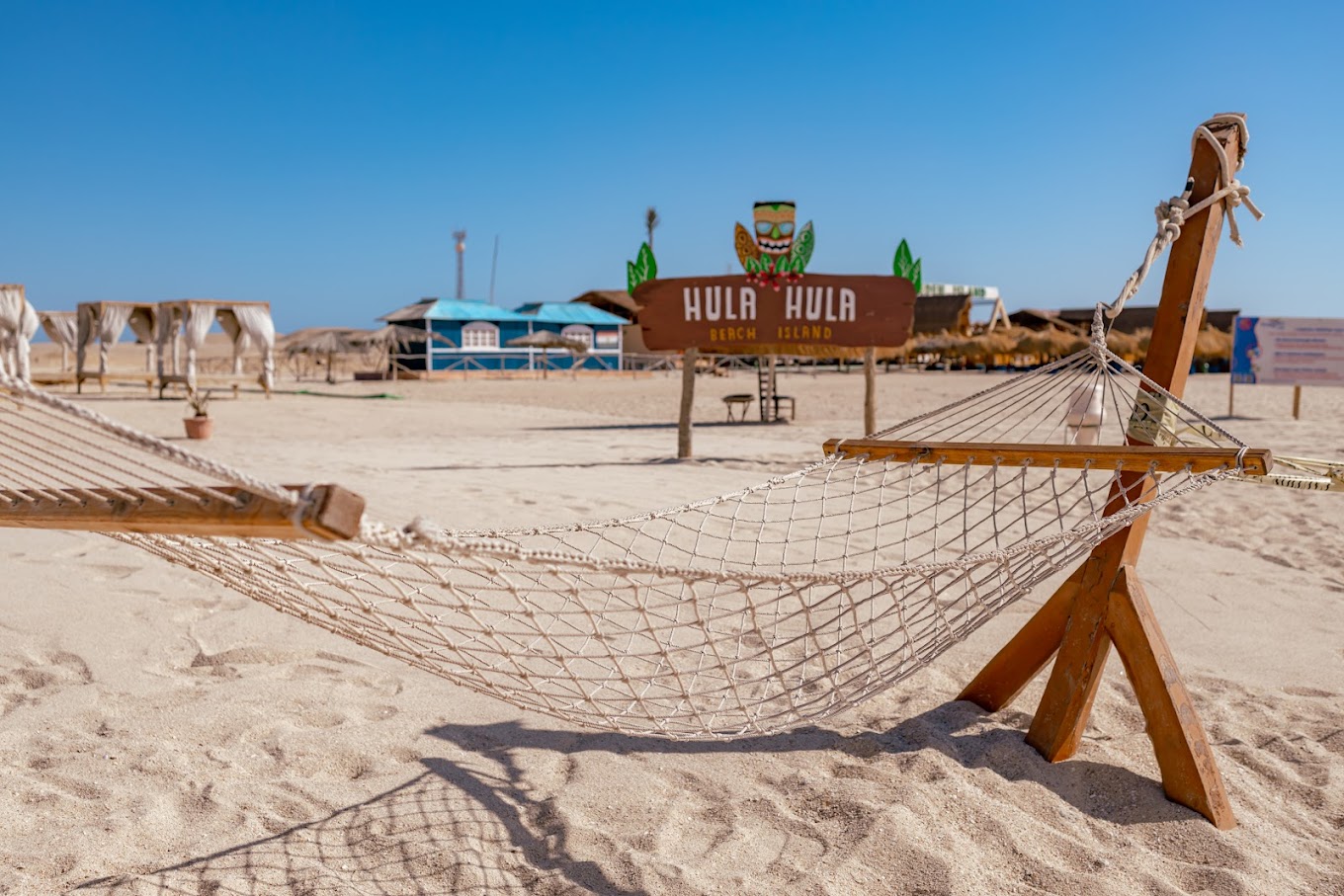
- •A day on the boat. Calm mornings are the best time for the islands. A trip to Hula Hula island brings snorkeling stops, beach time on Giftun Island and lunch on board. On a very windy day boat trips can be changed or moved, so book your sea trip for a calmer day.
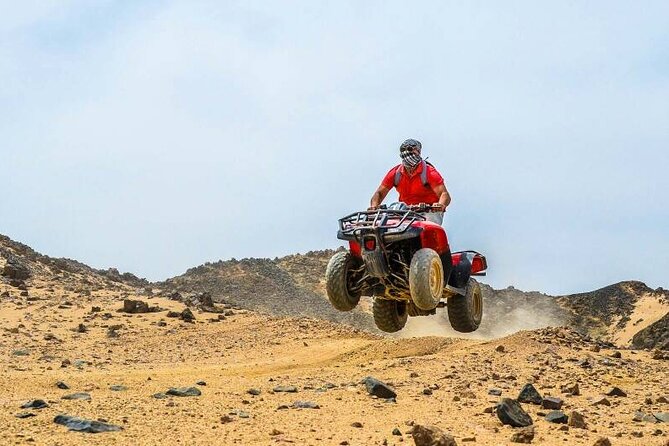
- •The desert. Wind hardly matters on a safari. The Super Safari combines a quad ride, a jeep ride over the dunes, a camel ride at a Bedouin village and a barbecue dinner at sunset with a show.
- •More ideas. Our guide on what to do in Hurghada when it's windy has plans for blustery days.
Plan your kite holiday
Come between spring and autumn for the most regular wind, choose El Gouna for a lively town or Soma Bay and Safaga for quiet bays, and book lessons with a certified school early in your stay. For the days off the water, browse all our tours, or send us a message on WhatsApp from any tour page with your dates and hotel: we'll help you plan the boat and desert days around your kite sessions and arrange your transfers.
Book the tours from this article

Frequently Asked Questions
Share this article
Help others discover this guide
Start Your Hurghada Adventure Today
Experience the magic of Egypt's desert landscapes with our expertly guided tours. From thrilling quad bike safaris to serene camel rides under the stars.
Related Experiences You Might Enjoy
 From €28.00⭐ 4.90
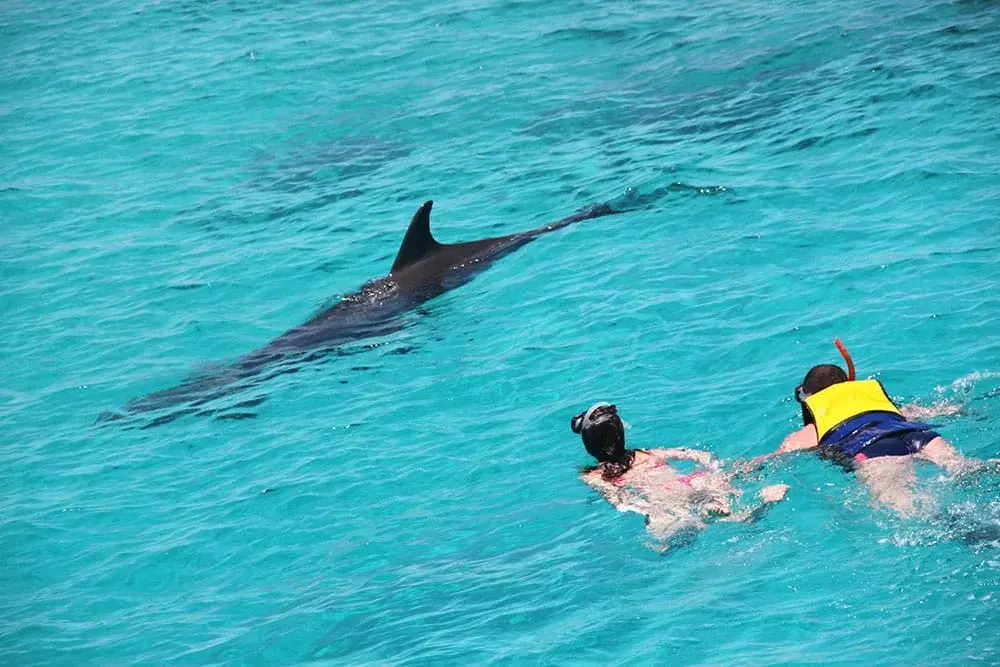
Explore Dolphin House Hurghada – Swim with Wild Dolphins
Swim with wild dolphins in their natural habitat at Dolphin House — the most magical Red Sea experience from Hurghada. 90% dolphin encounter rate, three snorkeling stops, seafood lunch on board. €28 per adult.
View Experience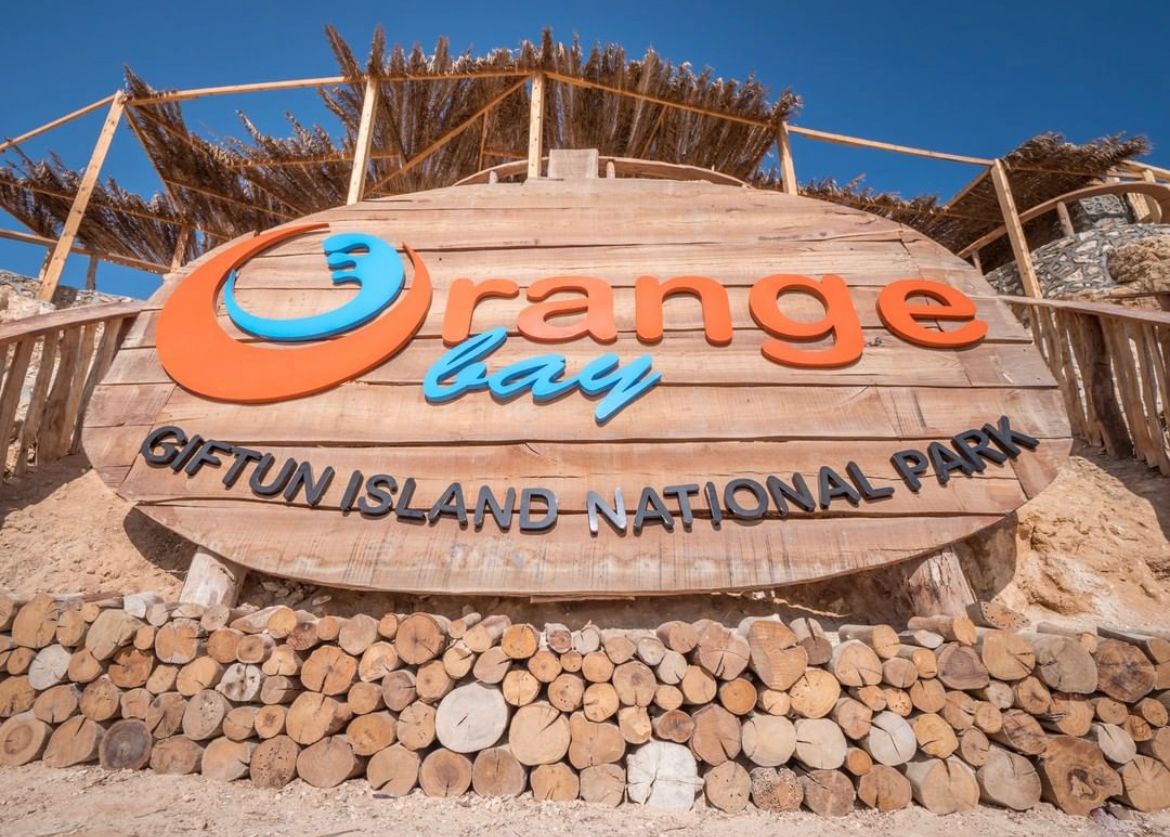 From €25.00⭐ 4.90
Explore Orange Bay From Hurghada Sea Trip
A perfect day at Orange Bay — Giftun Island National Park's most beautiful beach. Two snorkeling stops, buffet lunch on board, golden sandy beach, and all equipment included from €25 per adult.
View Experience From €29.00⭐ 4.90
Explore Paradise Island From Hurghada Sea Trip
A perfect easy day at Paradise Island — one of the Red Sea's most beautiful beaches near Hurghada. Two snorkeling stops, 2 hours on the island beach, lunch on board, and everything included. €29 per adult.
View Experience
Related Articles
Makadi Bay Excursions: The Best Trips from Makadi and How Pickup Works
Makadi Bay is a quiet resort area south of Hurghada, and almost every trip from Hurghada is also possible from there. Here are the best Makadi Bay excursions, how pickup and travel times work, and what to do in Makadi itself.
What to Do in Hurghada When It's Windy: Boat Trips, Calm Beaches and Good Plans
Hurghada is windy on many days of the year. Here is what the wind means for boat trips and snorkeling, how to find calmer water, and the best things to do on a windy day, from a desert safari to the aquarium and the old town.
El Gouna from Hurghada: A Day of Lagoons, Marina and Beaches
El Gouna is a resort town built around lagoons, about 25 kilometres north of Hurghada. Here is how to get there and back, what to see in Downtown and at Abu Tig Marina, the beaches and water sports, and a simple plan for a relaxed day.