What to See in the Grand Egyptian Museum: Tutankhamun, the Grand Staircase and More
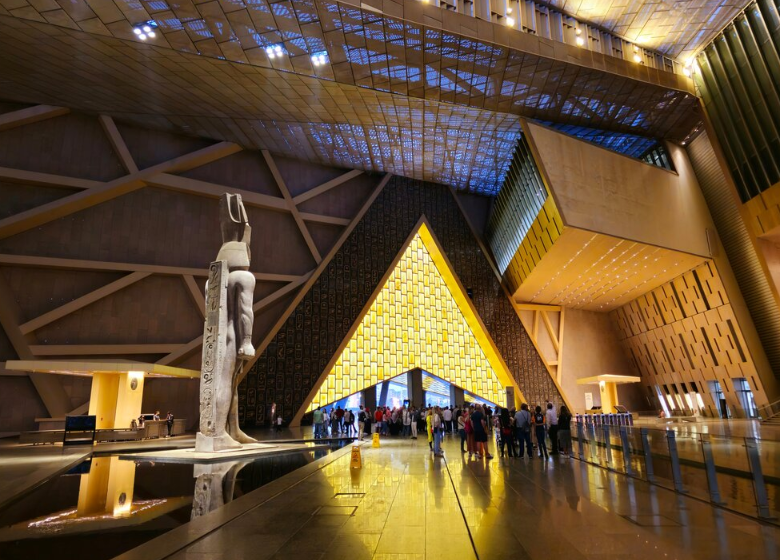
The Grand Egyptian Museum next to the Giza pyramids is huge, so it helps to know what not to miss. Here are the highlights, from Tutankhamun's golden mask to the Grand Staircase, how long to plan, tickets and photos, and how to visit on a day trip from Hurghada.
If you're wondering what to see in the Grand Egyptian Museum, the short answer is Tutankhamun's treasures, the giant statue of Ramesses II, the Grand Staircase and the view of the pyramids at the top of it. The museum stands at the edge of Giza, about two kilometres from the pyramids, and it is so big that it helps to know where to go before you walk in. This guide takes you through the highlights in the order most visitors see them, explains how long to plan, how tickets and photos work, and how to visit on a day trip from Hurghada.
The museum in a few words
The Grand Egyptian Museum, often called the GEM, was built to give Egypt's ancient treasures a modern home next to the Giza plateau. Parts of it opened to visitors in stages, and the official opening, with the new Tutankhamun galleries, took place on 1 November 2025. Its collection holds around 100,000 objects, and many of the pieces on display had never been shown to the public before.
The building itself is part of the experience: a huge glass and stone front, a bright entrance hall and big windows that look out towards the pyramids. Expect a lot of walking. Even if you only see the highlights, you'll cover a good distance inside.
The entrance: the hanging obelisk and Ramesses II
The hanging obelisk
In the square in front of the entrance stands an obelisk of Ramesses II, raised on supports so that you can walk underneath it. Look up and you'll see the king's name carved on the base, a part of an obelisk that nobody was ever meant to see.
Ramesses II in the Grand Atrium
The first thing you see inside is the giant granite statue of Ramesses II, one of Egypt's most famous kings. It is more than 3,000 years old and weighs about 83 tonnes. The statue once stood at Memphis, the old capital south of Cairo. In the 1950s it was moved to Ramses Square in the centre of Cairo, and later it came to Giza to stand in this hall. Take a few minutes here: it is the best place to feel how big the works of the pharaohs really were.
The Grand Staircase and the view of the pyramids
From the atrium, the Grand Staircase climbs up towards the main galleries. Dozens of large pieces line the steps: statues of kings and gods, stone coffins and parts of temples. Many visitors find this the most impressive part of the visit, because you walk up through thousands of years of history.
At the top, a wide glass window frames the Giza pyramids. It's one of the best photo spots in the museum, and a nice way to connect what you have just seen with the place where much of it was made.
The main galleries
The main galleries tell the story of ancient Egypt from prehistory to Roman times. They are arranged by period and by three themes: society, kingship and beliefs. In one visit you can go from everyday life (tools, jewellery, pottery and clothes) to the power of the kings and the objects made for the afterlife.
The museum is too big to read every label, so choose one or two themes that interest you most. It helps to know a few of the gods before you go: our guide to the Egyptian gods explains who Osiris, Isis, Horus and Anubis were and how to recognise them. Our page on Egyptian hieroglyphs shows how to spot a king's name in a cartouche, which makes the statues and coffins much more fun to look at.
Tutankhamun's treasures
For most visitors, the Tutankhamun galleries are the main reason to come. When Howard Carter opened the young king's tomb in the Valley of the Kings in 1922, it was full of treasures, and now the whole collection, more than 5,000 objects, is shown together for the first time.
The star is the famous golden mask, but give yourself time for the rest: the gilded coffins, the golden throne, the chariots, the jewellery, and the small things from the king's life, such as sandals, games and clothes. Seeing them together shows how much was buried with one king. These are the busiest rooms in the museum, so it's worth going there early in your visit.
If you'd like to see where it all came from, our guide to the Valley of the Kings explains the royal tombs near Luxor.
Khufu's boat
Another highlight is the boat of King Khufu, the pharaoh who built the Great Pyramid. The cedar wood boat is about 4,600 years old and more than 40 metres long. It was found in a pit next to the Great Pyramid in 1954 and was moved in one piece to the museum in 2021. The boat stands in its own hall, so check in advance whether it is part of your visit.
How long to plan
Plan at least three to four hours for the highlights: Ramesses II, the Grand Staircase, Tutankhamun's treasures and one or two of the main galleries. Seeing everything could fill a whole day. A simple order that works well:
- •Start with Ramesses II and the Grand Staircase.
- •Go early to the Tutankhamun galleries, before they get busy.
- •Choose one or two main galleries that match your interests.
- •Finish with Khufu's boat if it's part of your visit, or a last look at the pyramids from the window.
Tickets and photos
If you visit on your own, buy a timed ticket in advance on the museum's official website. Because so many people came after the opening, the museum lets visitors in by time slot. On our day trip, the museum entrance is part of the entrance fees listed as included on the tour page, so you go in with your group and your guide.
Photos with a phone are generally allowed, without flash. Rules for large cameras, tripods and selfie sticks are stricter and can change, especially in the Tutankhamun galleries, so follow the signs or ask the staff. Expect a security check with a bag scanner at the entrance, as at most big sights in Egypt.
How to see it on a day trip from Hurghada
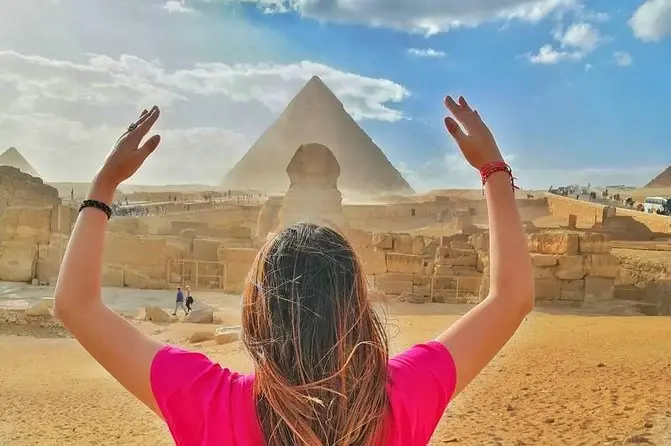
Cairo is about 450 kilometres from Hurghada, so seeing the museum means a long but memorable day. Our Grand Egyptian Museum and Giza pyramids day trip leaves Hurghada during the night in an air-conditioned bus. You start with the museum and an Egyptologist guide, have lunch in Cairo, then visit the pyramids, the Sphinx and the Valley Temple before the drive back. Check the tour page for the exact plan and what's included.
Our Cairo day trip visits the older Egyptian Museum on Tahrir Square instead, with its huge collection of statues, coffins and objects from daily life, together with the pyramids and the Sphinx. Tutankhamun's treasures are now at the Grand Egyptian Museum, so if they are the reason you're going, choose the Grand Egyptian Museum trip.
Our page on the day trip from Hurghada to the pyramids explains what to expect at Giza, and our guide to travelling from Hurghada to Cairo compares the plane, the bus and a private car if you'd rather stay a night.
Tips for the day
- •Bring your passport. It's needed for the trip and the checkpoints on the road.
- •Wear comfortable shoes. Between the museum and the pyramids, you'll walk a lot.
- •Pack a light jacket. The bus at night and the museum halls can feel cool, especially in winter.
- •Ask for a breakfast box. The tour page suggests asking your hotel the evening before, as you leave before breakfast.
- •Dress for the sun at Giza. Our what to wear guide helps you pack.
Plan your visit
Start with Ramesses II and the Grand Staircase, give Tutankhamun's treasures the time they deserve, and finish with the view of the pyramids. If you're staying in Hurghada, the easiest way to see it all is the Grand Egyptian Museum and pyramids day trip: send us your dates and hotel, and we'll help you plan it. For other ideas, browse all our tours.
Book the tours from this article
Frequently Asked Questions
Share this article
Help others discover this guide
Start Your Hurghada Adventure Today
Experience the magic of Egypt's desert landscapes with our expertly guided tours. From thrilling quad bike safaris to serene camel rides under the stars.
Related Experiences You Might Enjoy
 From €68.00⭐ 4.90
Explore Luxor Day Trip from Hurghada
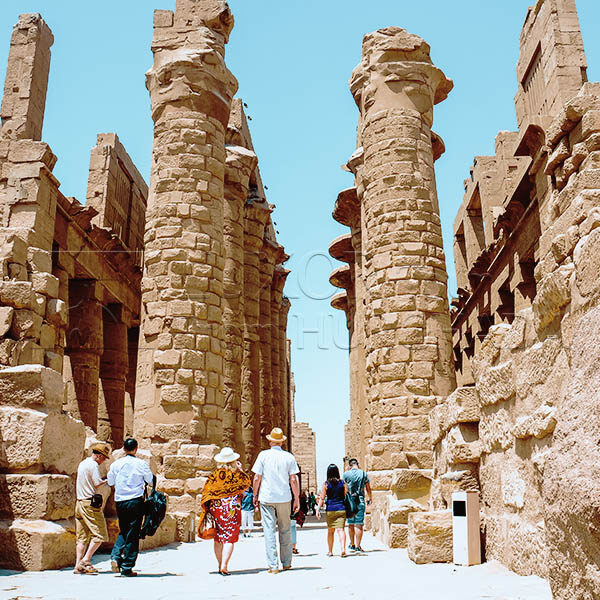
Journey from Hurghada to Luxor's legendary ancient temples and royal tombs. Visit Karnak Temple, the Valley of the Kings, Hatshepsut Temple, and the Colossi of Memnon — all in one extraordinary 16-hour day trip.
View Experience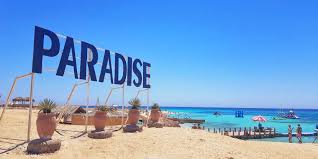 From €29.00⭐ 4.90
Explore Paradise Island From Hurghada Sea Trip
A perfect easy day at Paradise Island — one of the Red Sea's most beautiful beaches near Hurghada. Two snorkeling stops, 2 hours on the island beach, lunch on board, and everything included. €29 per adult.
View Experience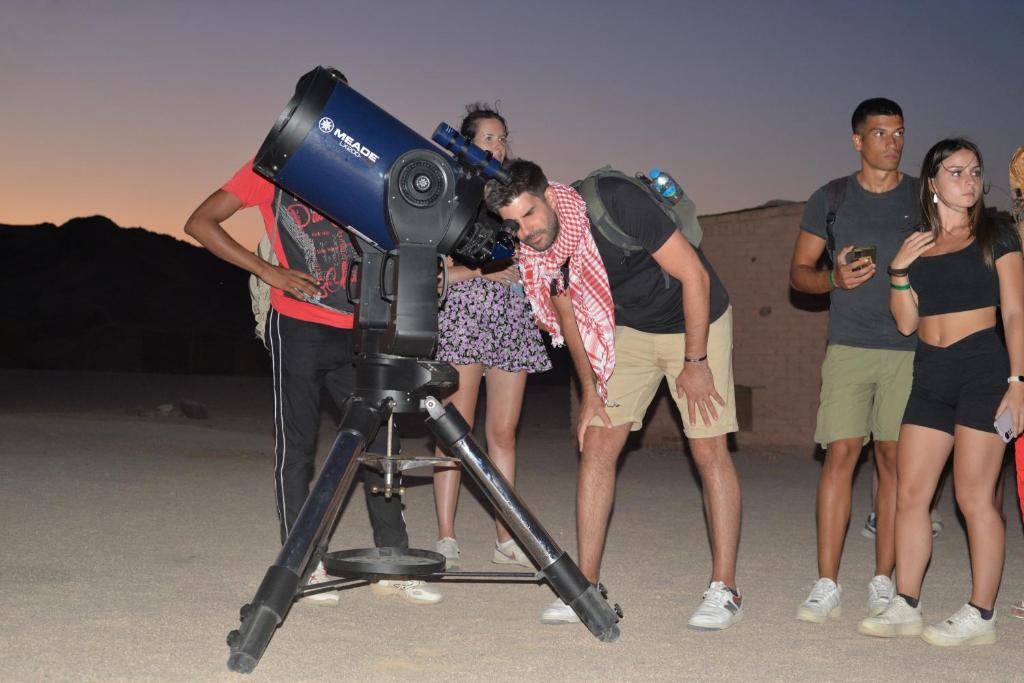 From €35.00⭐ 4.70
Explore Stargazing Desert Adventure by Jeep with Dinner in Hurghada
A magical Hurghada evening: jeep safari into the Sahara, traditional Bedouin dinner under the stars, and stargazing through a professional telescope. From €35 per adult.
View Experience
Related Articles
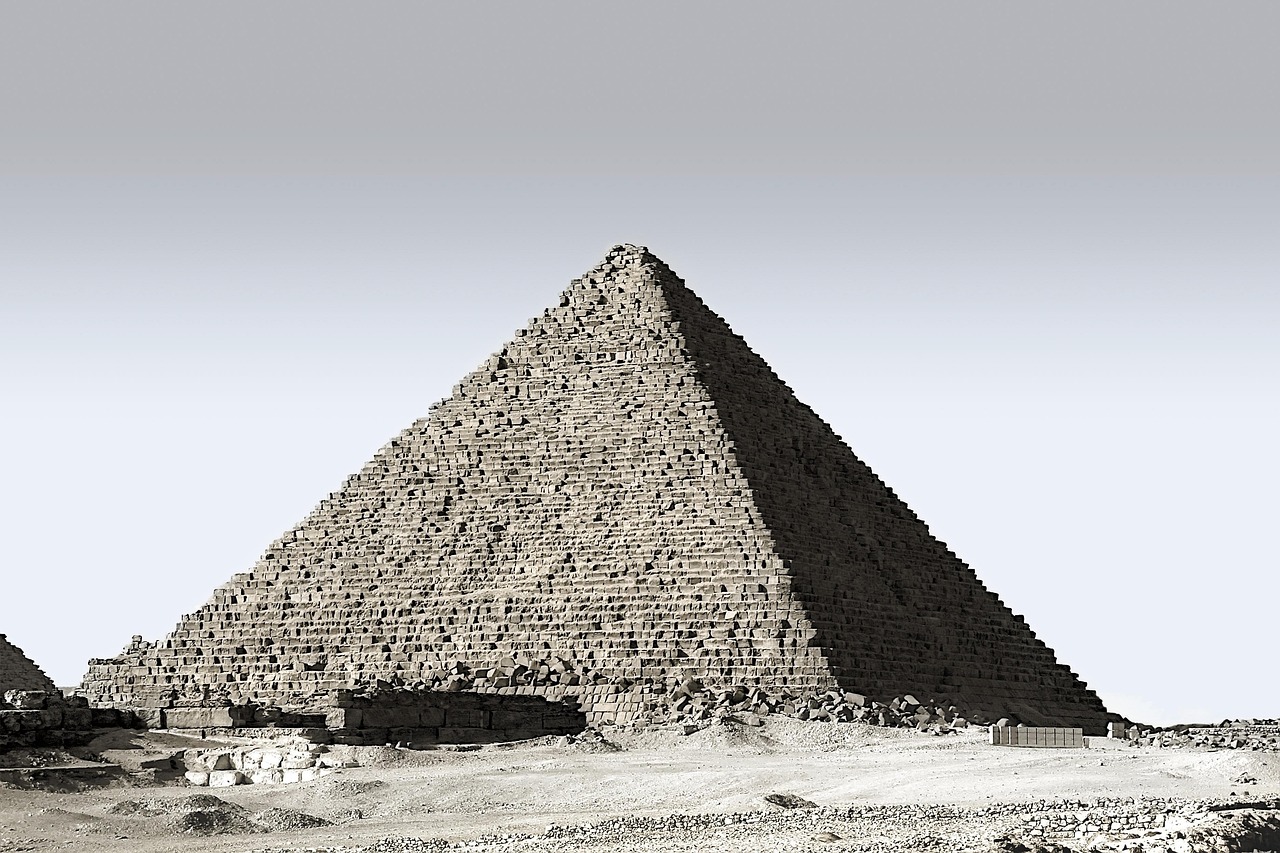
Hurghada to Cairo: Plane, Bus or Car, and the Pyramids in a Day
Cairo is about 450 kilometres from Hurghada, a short flight or a long drive across the desert. Here is how the plane, the bus and a private car compare, how long each takes, what to see if you only have one day and how our day trips to the pyramids work.
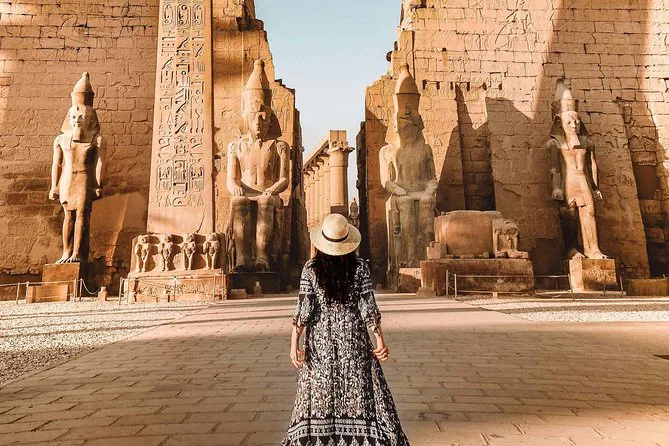
Hurghada to Aswan and Abu Simbel: Distance, Ways to Travel and How Many Days You Need
Aswan is a little over 500 kilometres from Hurghada, and Abu Simbel is another long drive further south, so neither is a day trip. Here is how far it really is, the ways to get there, how many days to plan and what to do if you only have one day.
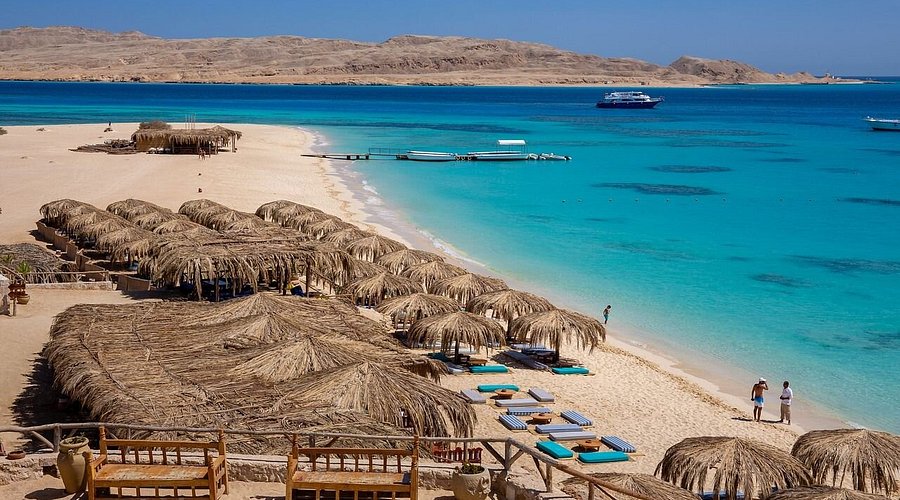
Sahl Hasheesh Excursions: The Best Trips from Sahl Hasheesh and How Pickup Works
Sahl Hasheesh is a quiet bay about 20 km south of Hurghada, and almost every trip from Hurghada is also possible from there. Here are the best Sahl Hasheesh excursions, how hotel pickup works, what to do on the bay itself and how to get into Hurghada.