Old Town Hurghada: El Dahar, the Bazaar and Local Life
Away from the hotel strip, El Dahar is where Hurghada began: busy market streets, spice and perfume shops, cafés full of locals and the big mosque by the harbour. Here is what to see in the old town, how to bargain, what to wear and the best time of day to go.
Old town Hurghada is a different world from the hotel strip. In El Dahar, the oldest part of the city, people live, shop, pray and drink tea on the pavement, and the streets are full of spice sellers, perfume shops, fabric stalls and small cafés. If you'd like to see everyday Egypt during your holiday, an evening in the old town is one of the easiest ways to do it. This guide explains what El Dahar is like, what to see and buy, how to bargain, what to wear and the best time of day to go.
What is El Dahar?
Hurghada started as a small fishing town, and El Dahar is the part of the city that grew around that old centre, in the north of town, a little inland from the harbour. Today it's a busy, ordinary neighbourhood rather than a museum: there are no old walls or gates, just streets of shops, apartment blocks, mosques, bakeries and market stalls.
When people talk about "downtown Hurghada", they usually mean El Dahar together with Sakkala, the more modern centre with its shops, restaurants and the promenade by the sea. Between the two lie the marina and the big El Mina Mosque by the port. Most of the large hotels are further south along the coast, so for many visitors the old town is a short taxi ride or part of an organised city tour.
What to see in the old town
The souk and the market streets
The heart of El Dahar is its market area, often called the souk or the bazaar. It's not one building but a few streets of shops and stalls. You'll find sacks of spices and dried herbs, piles of dates and nuts, perfume shops with walls of glass bottles, scarves and cotton clothes, lamps, papyrus and every kind of souvenir. Further from the tourist shops, the stalls sell fruit, vegetables, bread and household goods to local families, which is often the most interesting part.
Spices and perfumes
Spice shops are a highlight. Look for hibiscus (karkadeh), which locals drink hot or cold, plus cumin, coriander, mixed spices for meat and fish, and herbal teas. Perfume shops sell scented oils and will happily let you test a few. Take your time and ask before you buy, so you know exactly what you're paying for and how much you get.
Local cafés
A traditional café, an "ahwa", is the best place to watch daily life. Men sit on the pavement with tea or Turkish coffee, play backgammon and dominoes, and some smoke shisha. Visitors are welcome: order a tea with mint or a coffee and enjoy the view. In the touristy streets you'll also find cafés where families and couples sit together.
The El Mina Mosque and the churches
The large El Mina Mosque with its tall minarets stands by the harbour, between the old town and the marina, and is one of the city's best-known sights. It's a beautiful photo from outside, and visitors in modest clothes can often look inside outside prayer times. Hurghada also has Coptic Christian churches, a reminder that Christians and Muslims have lived side by side here for a long time. If you'd like to visit either, a guide can tell you when it's possible and how to behave.
How to bargain in the bazaar
Bargaining is part of shopping in the souk, and with a little practice it can be fun. A few simple rules help:
- •Look around first. Check a few shops before you buy, so you get a feeling for what things usually cost.
- •Start lower. Answer the first price with a lower offer and meet somewhere in the middle. Stay friendly; it's a conversation, not a fight.
- •Agree on the details. For spices, perfume or fabric, agree on the amount and the total before the seller starts weighing or packing.
- •Be ready to walk away. If the price doesn't feel right, say a smiling "no, thank you" and leave. Nobody has to buy anything.
- •Carry small notes. Bring Egyptian pounds in small notes for cafés, tips and small purchases; many small shops don't take cards.
Safety and what to wear
El Dahar is a busy, everyday neighbourhood, and visitors walk there every day. The main annoyance is shop staff calling out and inviting you in. It's tiring rather than dangerous: a smile and a clear "no, thank you" usually works, and you can keep walking. Don't follow strangers who offer to show you a "special" shop or a cheap trip.
Like in any busy market, keep your bag closed and your phone in a front pocket in crowds, and agree on the fare before you get into a taxi. Traffic is lively, so take care when you cross the road, especially with children. Our article Is Hurghada safe? has more simple tips.
For clothes, think light and modest: loose trousers, long shorts or a midi skirt, and a top that covers the shoulders. Comfortable shoes help on the uneven pavements. Women usually cover their hair to look inside a mosque, so a light scarf in your bag is handy. Our packing guide explains what to wear for each part of your holiday.
When to go
The evening is the favourite time. From May to October the days are hot, and the old town really comes alive after sunset, when families go shopping, the cafés fill up and the shop lights come on. Many shops stay open until late.
In winter, from December to February, the evenings are cooler, so a late afternoon walk works well, followed by dinner. In the early morning many shops are still closed, and around the Friday midday prayer some close for a while. During Ramadan the streets are quiet during the day and very lively after sunset, when people break their fast together.
Where to eat
The old town is a good place to try simple Egyptian food. Look for koshari (rice, pasta and lentils with tomato sauce and crispy onions), ful (beans), ta'ameya (Egyptian falafel) in fresh bread, grilled chicken and kofta, and fresh juices such as mango, guava or sugar cane. Bakeries sell sweets like basbousa and konafa. Fish restaurants nearby let you choose your fish and how it's cooked; ask the price before it goes on the grill, as fish is usually sold by weight.
Our Hurghada food guide explains the dishes to try and where to eat in each part of town.
Getting there and seeing it with a guide
From the hotels in the south of Hurghada, a taxi or your hotel's transfer is the easiest way to get to El Dahar. Agree on the fare first, or ask your hotel to book a car, and plan your way back before you leave. If you'd like to combine the old town with the marina, the El Mina Mosque and the promenade, our guide to Hurghada Marina shows how they fit together.
Many visitors prefer a guide for their first visit. A Hurghada city tour with hotel pickup covers the old town, the bazaar, the mosque and the marina in a relaxed half day or evening, and the guide helps with shops, prices and photos. Send us your date, your hotel and the number of people through our contact page or on WhatsApp, and we'll reply with the plan and the price. Our Hurghada travel guide has more about the town and its areas.
From the old town to the desert
The old town shows you city life; the desert behind Hurghada shows you the Bedouin side of Egypt. Many guests do both in the same week:
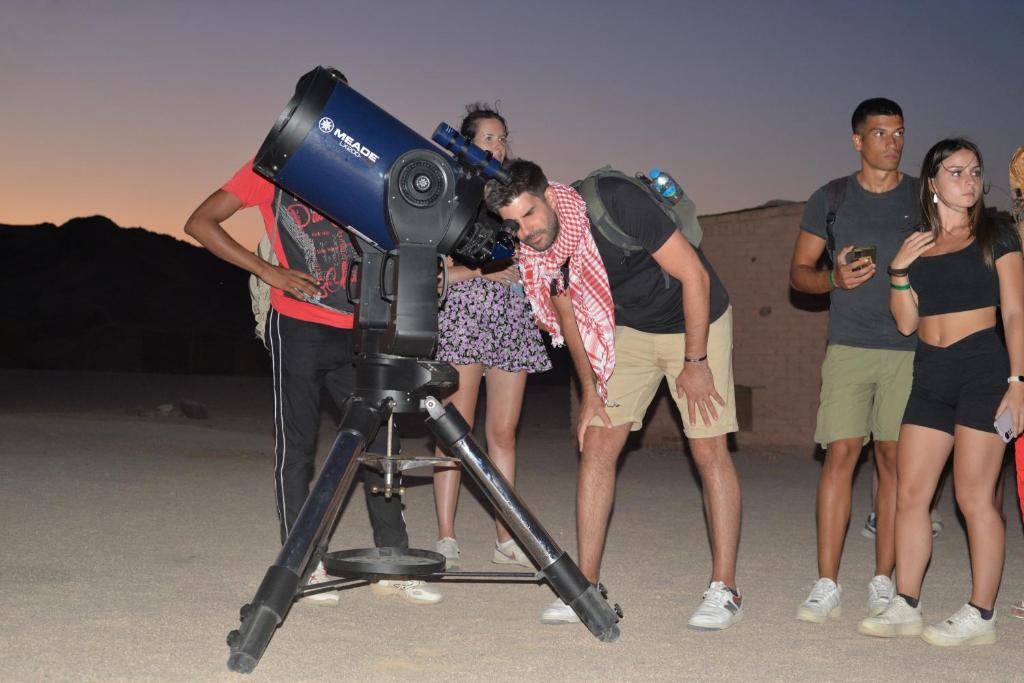
- •An evening under the stars: on the stargazing jeep trip with dinner you watch the sunset in the desert, have a barbecue dinner at a Bedouin camp and look at the stars through telescopes.
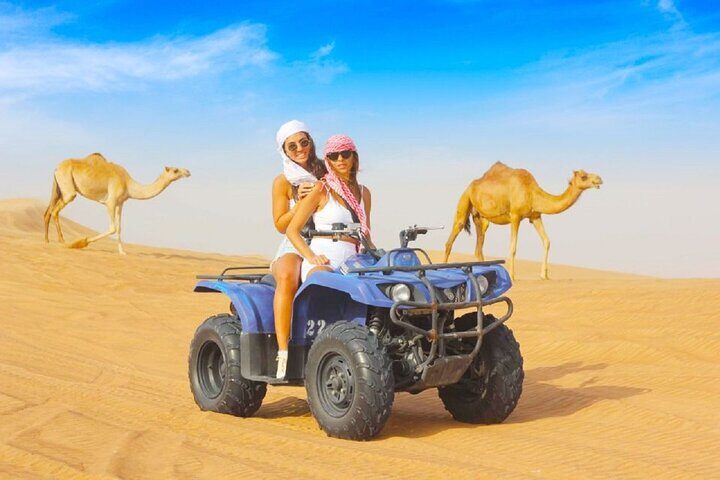
- •The full adventure: the Super Safari combines a quad bike, a jeep, a buggy and a camel ride with a Bedouin village, dinner and a show.
For more ideas, read our list of the best things to do in Hurghada at night or see all our tours and activities.
Next step
Plan your old town visit for an evening early in your holiday: you'll get to know the city and find your favourite café and shops for the rest of the week. Then book an evening in the desert on the stargazing jeep trip or the Super Safari, or message us on WhatsApp if you'd like a guide to show you the old town.
Book the tours from this article
Frequently Asked Questions
Share this article
Help others discover this guide
Start Your Hurghada Adventure Today
Experience the magic of Egypt's desert landscapes with our expertly guided tours. From thrilling quad bike safaris to serene camel rides under the stars.
Related Experiences You Might Enjoy
 From €28.00⭐ 4.90
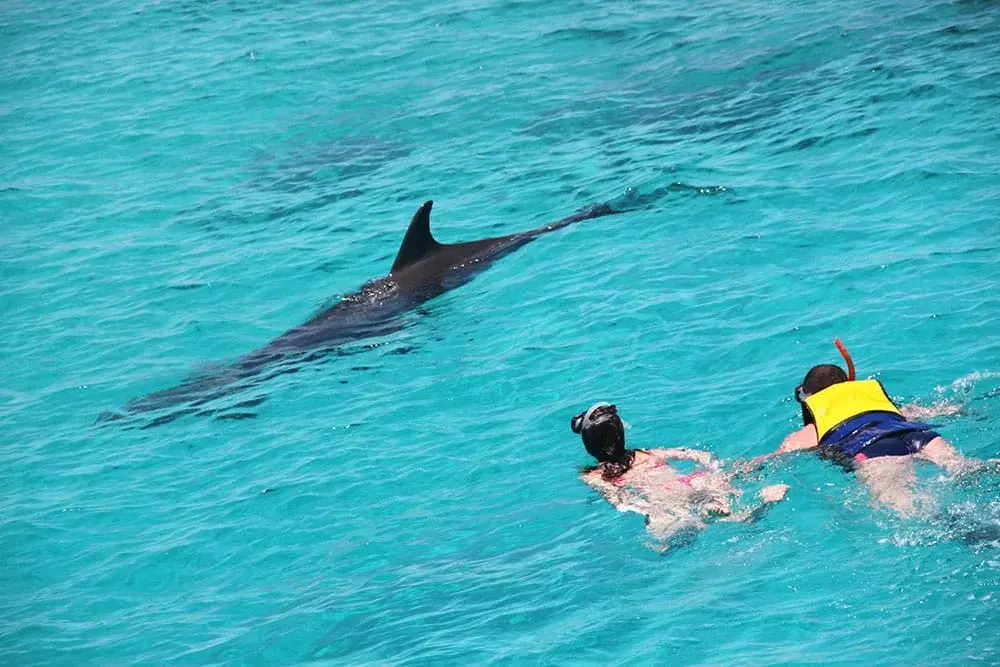
Explore Dolphin House Hurghada – Swim with Wild Dolphins
Swim with wild dolphins in their natural habitat at Dolphin House — the most magical Red Sea experience from Hurghada. 90% dolphin encounter rate, three snorkeling stops, seafood lunch on board. €28 per adult.
View Experience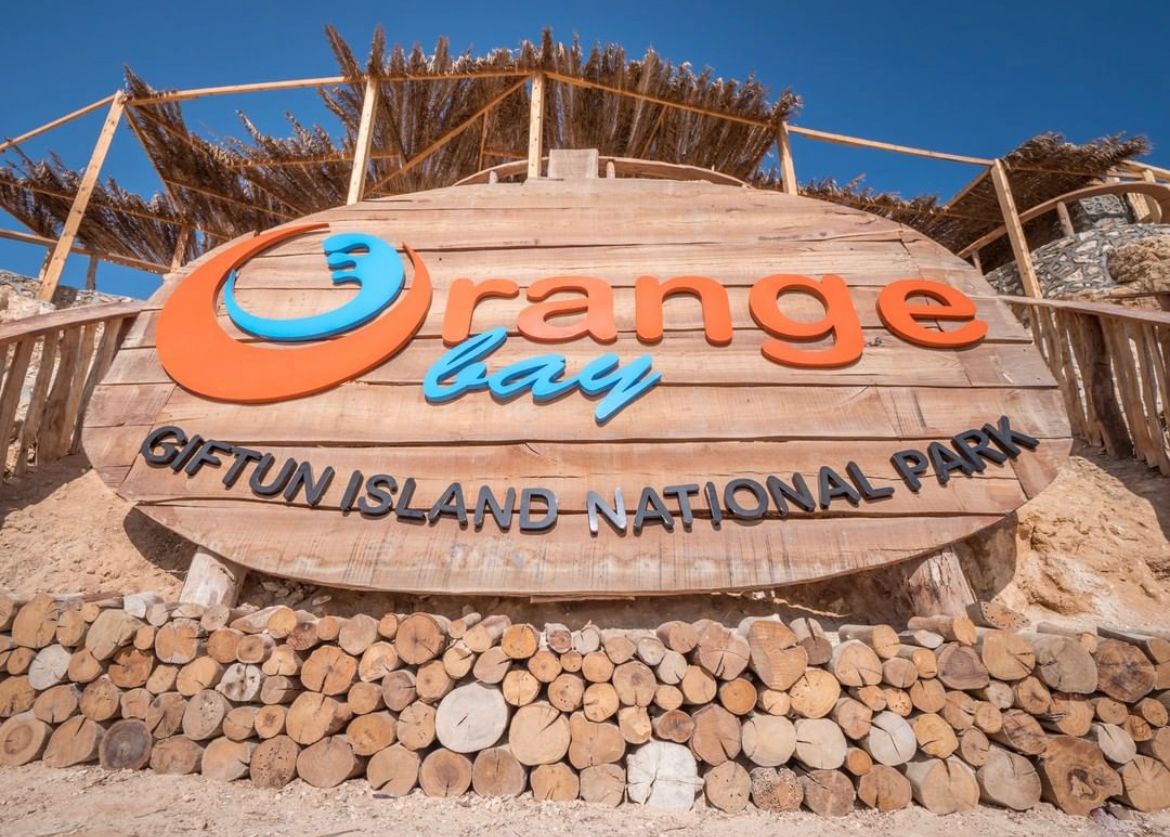 From €25.00⭐ 4.90
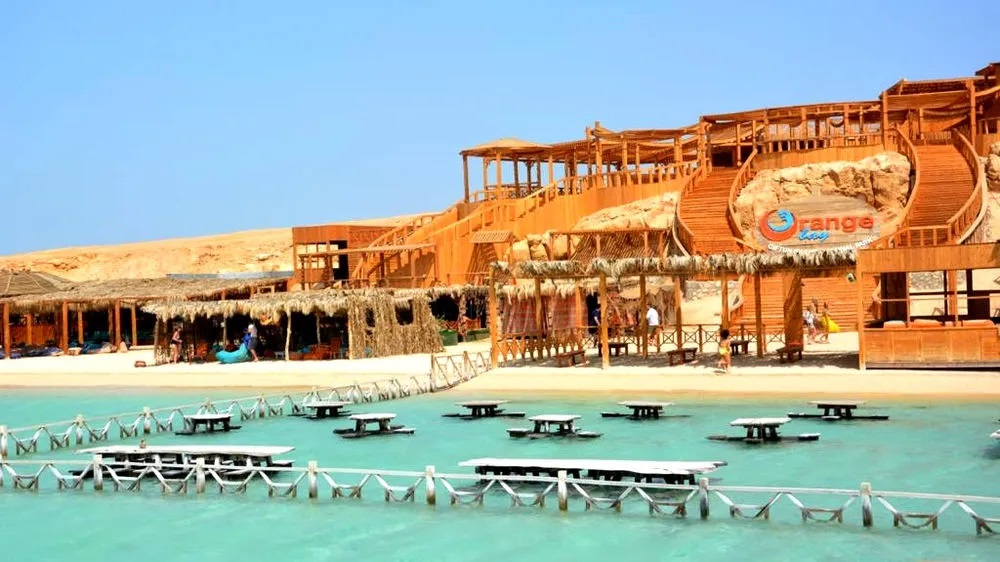
Explore Orange Bay From Hurghada Sea Trip
A perfect day at Orange Bay — Giftun Island National Park's most beautiful beach. Two snorkeling stops, buffet lunch on board, golden sandy beach, and all equipment included from €25 per adult.
View Experience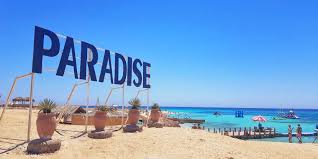 From €29.00⭐ 4.90
Explore Paradise Island From Hurghada Sea Trip
A perfect easy day at Paradise Island — one of the Red Sea's most beautiful beaches near Hurghada. Two snorkeling stops, 2 hours on the island beach, lunch on board, and everything included. €29 per adult.
View Experience
Related Articles

What to Do in Hurghada When It's Windy: Boat Trips, Calm Beaches and Good Plans
Hurghada is windy on many days of the year. Here is what the wind means for boat trips and snorkeling, how to find calmer water, and the best things to do on a windy day, from a desert safari to the aquarium and the old town.
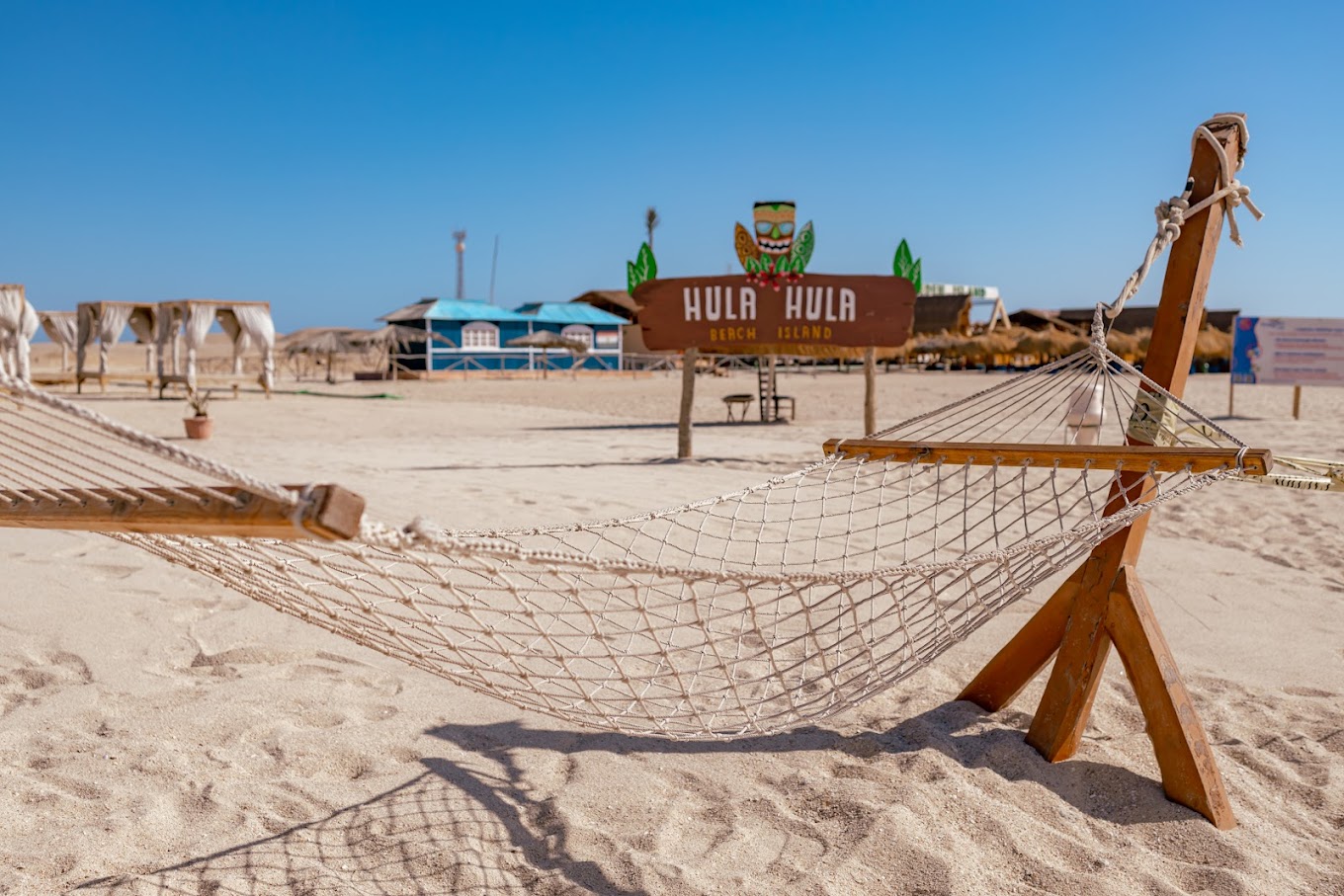
El Gouna from Hurghada: A Day of Lagoons, Marina and Beaches
El Gouna is a resort town built around lagoons, about 25 kilometres north of Hurghada. Here is how to get there and back, what to see in Downtown and at Abu Tig Marina, the beaches and water sports, and a simple plan for a relaxed day.
Hurghada Marina: Yachts, Cafés, Evening Walks and the Boats to the Islands
Hurghada Marina is the town's smartest harbour: a walkway past rows of yachts, cafés and restaurants by the water, and the place many boat trips start from. Here is how to enjoy it, when to go and how to get there from your hotel.