Eco-Friendly Travel in Hurghada: How to Enjoy the Desert and Sea Responsibly
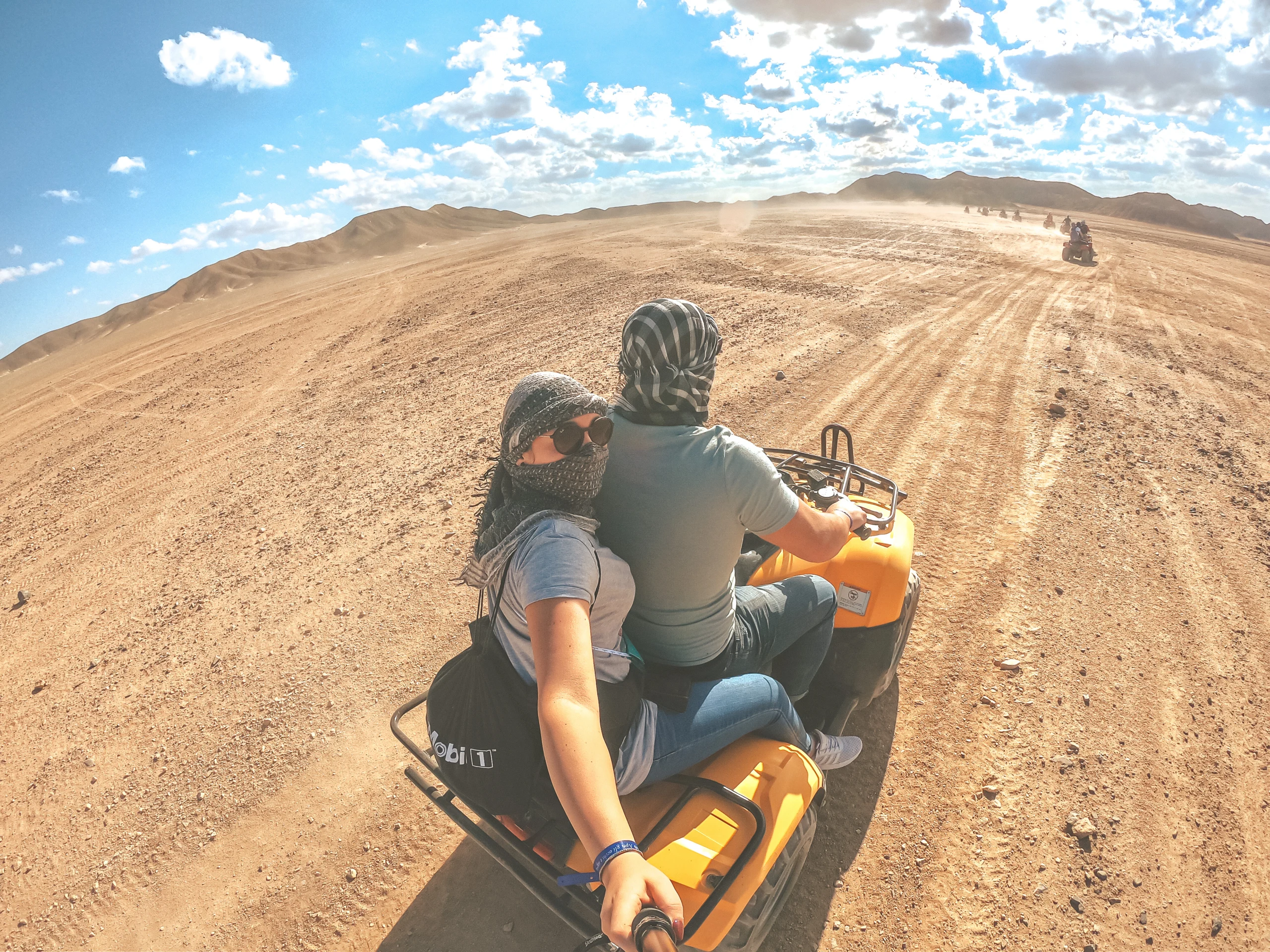
The reefs and the desert are what make Hurghada special, and both are fragile. Here are simple, practical ways to travel responsibly: on the reef, near dolphins, in the desert, at Bedouin villages and in your everyday holiday choices.
The coral reefs and the desert are what make a holiday on the Red Sea so special, and both are more fragile than they look. Eco-friendly travel in Hurghada doesn't mean giving up anything; it means a few simple habits that protect the reef, respect wildlife and the desert, and support the people who live here. This guide shows you how, trip by trip.
Why it matters
Coral reefs grow slowly, over many years, and they feed and shelter a huge variety of fish and other sea life. They also protect the coast from waves and are the reason so many people come to the Red Sea. Around Hurghada, many reefs are visited every day, so small actions add up: one person standing on the coral may seem harmless, but thousands of people doing it every year break the reef apart. The desert is similar. Plants that survive there grow very slowly, tracks stay visible for years, and rubbish doesn't disappear. The good news is that the solutions are simple, and they cost nothing.
On the reef
The Red Sea reefs are among the most beautiful in the world. Corals are living animals that grow very slowly, and one careless step can break years of growth.
- •Never stand on or touch the coral. If you need a rest while snorkeling, swim back to the boat or float with a life jacket.
- •Don't take anything: no shells, no coral, no stones. In the national parks it is forbidden anyway.
- •Don't feed the fish. It changes their behaviour and harms the reef.
- •Use reef-friendly sunscreen or, even better, wear a UV T-shirt, which protects you without anything washing into the sea.
- •Wear a life jacket if you are not a confident swimmer, so you never need to stand on the reef.
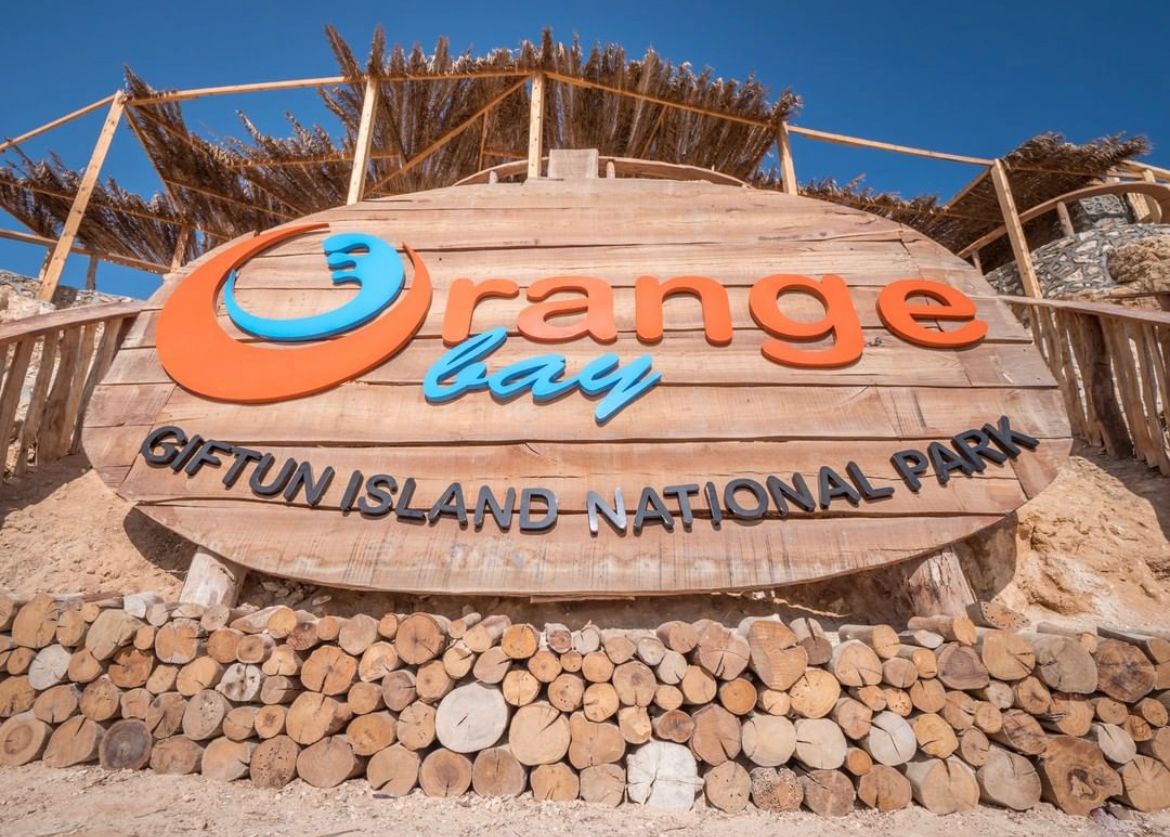
On our boat trips, such as Orange Bay in the Giftun national park, the crew explains where and how to snorkel before each stop. Our snorkeling guide has more tips.
Near dolphins and other wildlife
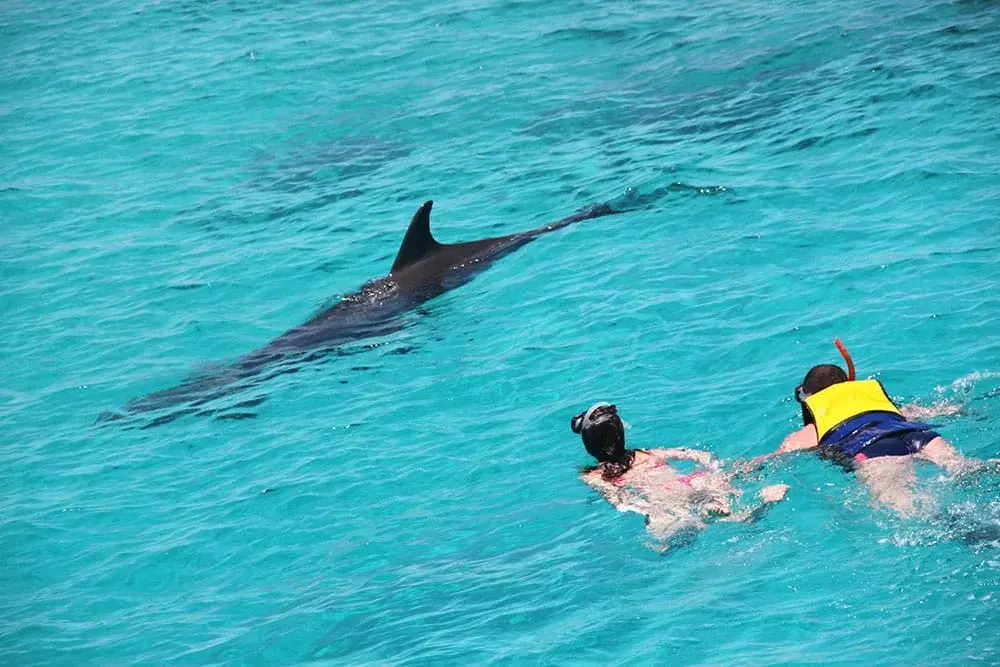
Wild dolphins often rest at the reef called Dolphin House. Seeing them is a privilege, and how visitors behave decides whether they stay relaxed.
- •Enter the water quietly and stay at the surface.
- •Never touch, chase or block a dolphin; let them come to you.
- •Keep your distance from turtles, rays and other animals too.
- •Follow the crew, who know the reef and the animals.
Our Dolphin House guide explains what to expect on the Dolphin House trip.
In the desert
The desert looks empty, but it is home to plants, animals and people who live with very little water. Tracks and rubbish stay visible for a long time.
- •Stay on the tracks your guide uses.
- •Take all your rubbish back with you, including small things like bottle caps and tissues.
- •Leave plants, stones and anything else where you found them.
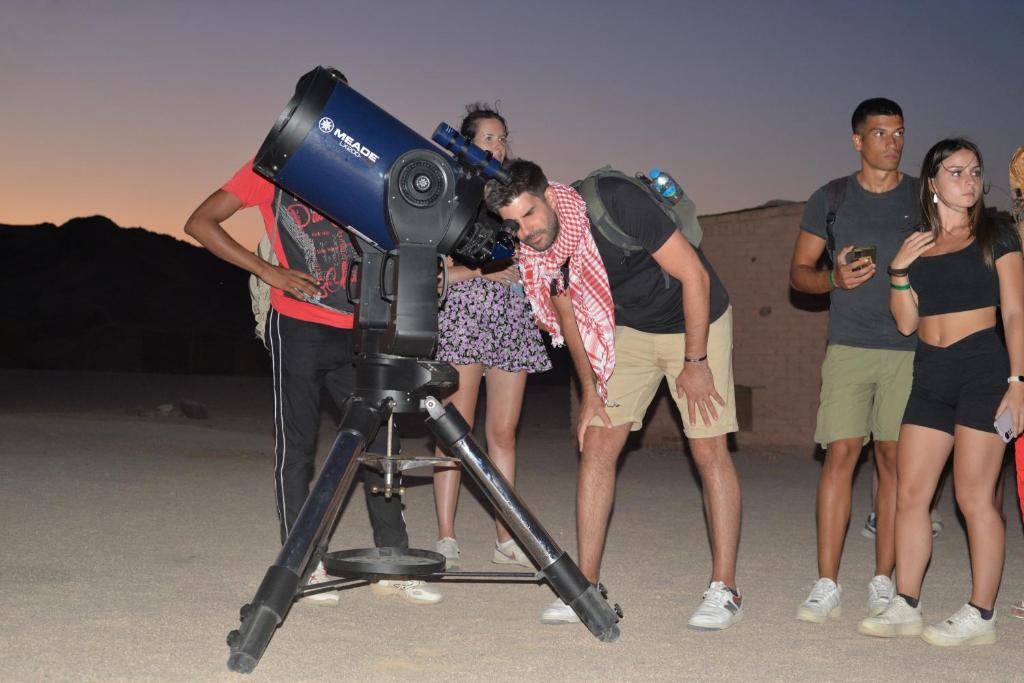
- •Choose a quieter trip if you prefer: the stargazing desert adventure uses a jeep and offers a camel ride or horse carriage, and the evening is spent watching the sunset and the stars.
At Bedouin villages and in town
Responsible travel is also about people.
- •Greet people and ask before you take photos of them.
- •Dress modestly outside the hotel.
- •Buy souvenirs directly from the people who make or sell them.
- •Eat in local restaurants and try Egyptian food; our Hurghada food guide has ideas.
- •Bargain with a smile in the market, and remember that a small amount for you can matter a lot to the seller.
Our guide to Bedouin culture in Hurghada explains how to be a good guest.
Teaching children to love the reef
Children are often the best reef protectors once they understand why. Before your boat trip, explain that corals are living animals, play a game of spotting fish without touching anything, and let them be the ones who remind the family to put on a T-shirt instead of more sunscreen. A visit to the aquarium or a good picture book about the Red Sea makes the first snorkeling trip even more exciting, and a child who has seen how slowly corals grow is unlikely to step on one.
Less plastic, less waste
- •Bring a refillable water bottle and fill it from the large water containers at your hotel, where available.
- •Say no to plastic bags and straws when you can.
- •Bring a small bag for rubbish on boat trips and desert trips.
- •Reuse towels at the hotel instead of having them changed every day.
Water and energy at the hotel
Egypt is a dry country, and fresh water is precious. Short showers, switching off the air conditioning when you leave the room, and reusing towels and sheets for a few days are small habits that help, and many hotels ask guests to do exactly that.
Choosing trips with care
- •Book with local companies that live and work here.
- •Choose fewer, better trips: three or four well-chosen excursions are better for you and the environment than a rushed trip every day.
- •Share transport: group trips with one bus for several hotels are more efficient than many separate cars.
- •Ask questions: a good company is happy to explain its rules for the reef, the desert and wildlife.
Small actions, big difference
Hurghada welcomes many visitors every year. If each one leaves the reef untouched, takes their rubbish home and treats people with respect, the sea and the desert stay beautiful for the next generation of travellers, and for the people who call this place home.
Plan your trips
All our trips include hotel pickup in Hurghada and guides who know the reef and the desert. Browse all our tours, or send us a message on WhatsApp from any tour page and we will help you plan a holiday that is good for you and for Hurghada.
Book the tours from this article
Frequently Asked Questions
Share this article
Help others discover this guide
Start Your Hurghada Adventure Today
Experience the magic of Egypt's desert landscapes with our expertly guided tours. From thrilling quad bike safaris to serene camel rides under the stars.
Related Experiences You Might Enjoy
 From €120.00⭐ 4.90
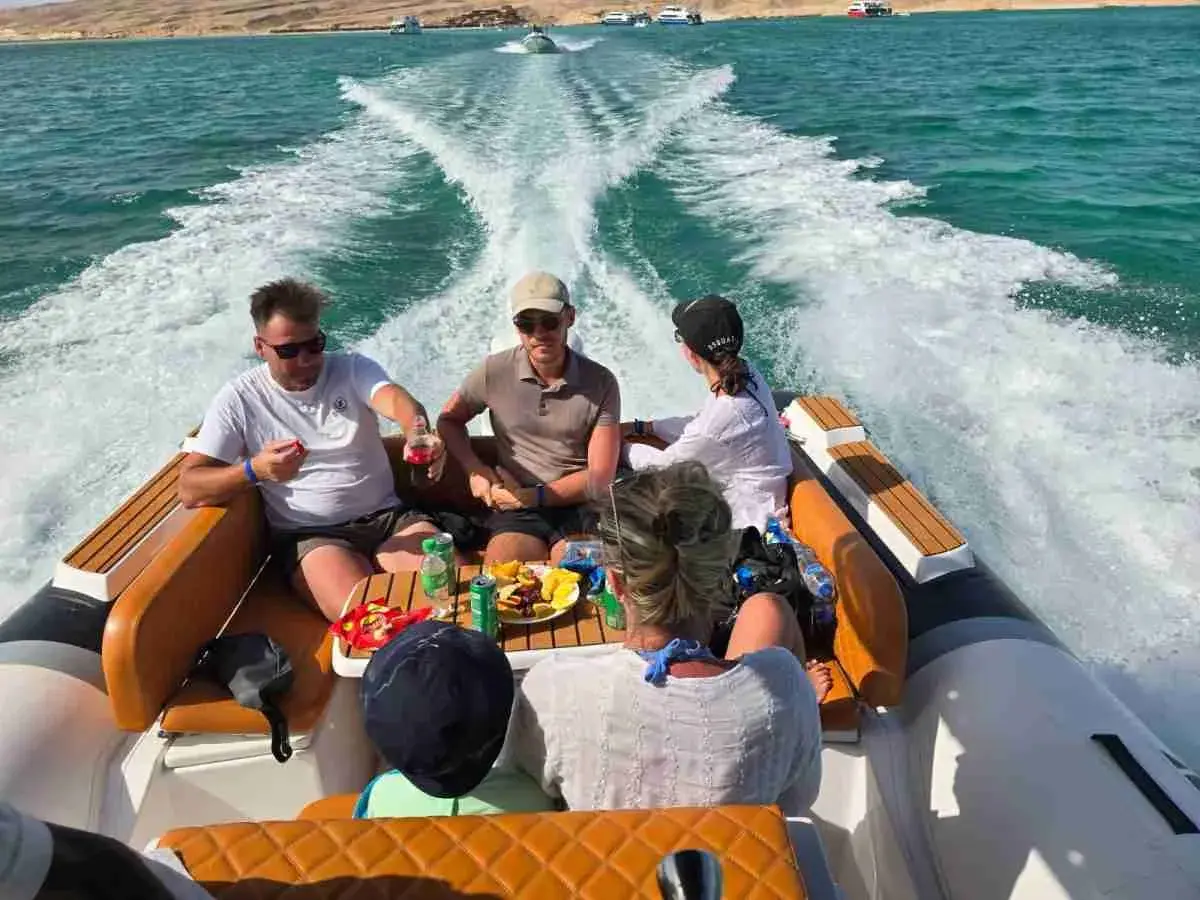
Explore Private Speedboat to Dolphin House Hurghada
The fastest, most exclusive way to reach Dolphin House. A private speedboat exclusively for your group — swim with wild dolphins, snorkel pristine reefs, done in 4 hours. €120 per group (up to 4 people).
View Experience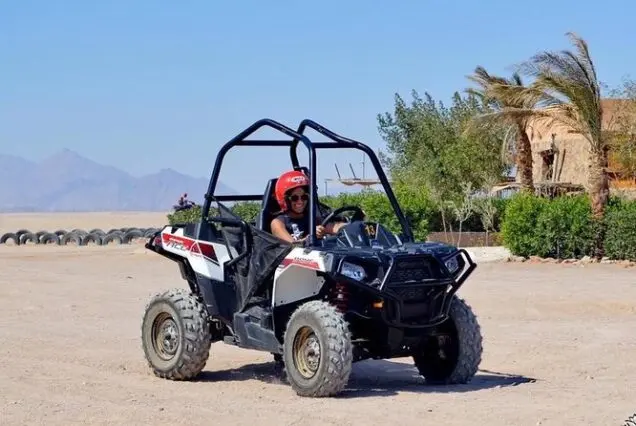 From €50.00⭐ 4.70
Explore Private Buggy Tour Hurghada – Desert & Sea
The ultimate private desert and sea buggy experience in Hurghada. Full-day private buggy adventure through the Sahara dunes with panoramic Red Sea views — exclusively for your group.
View Experience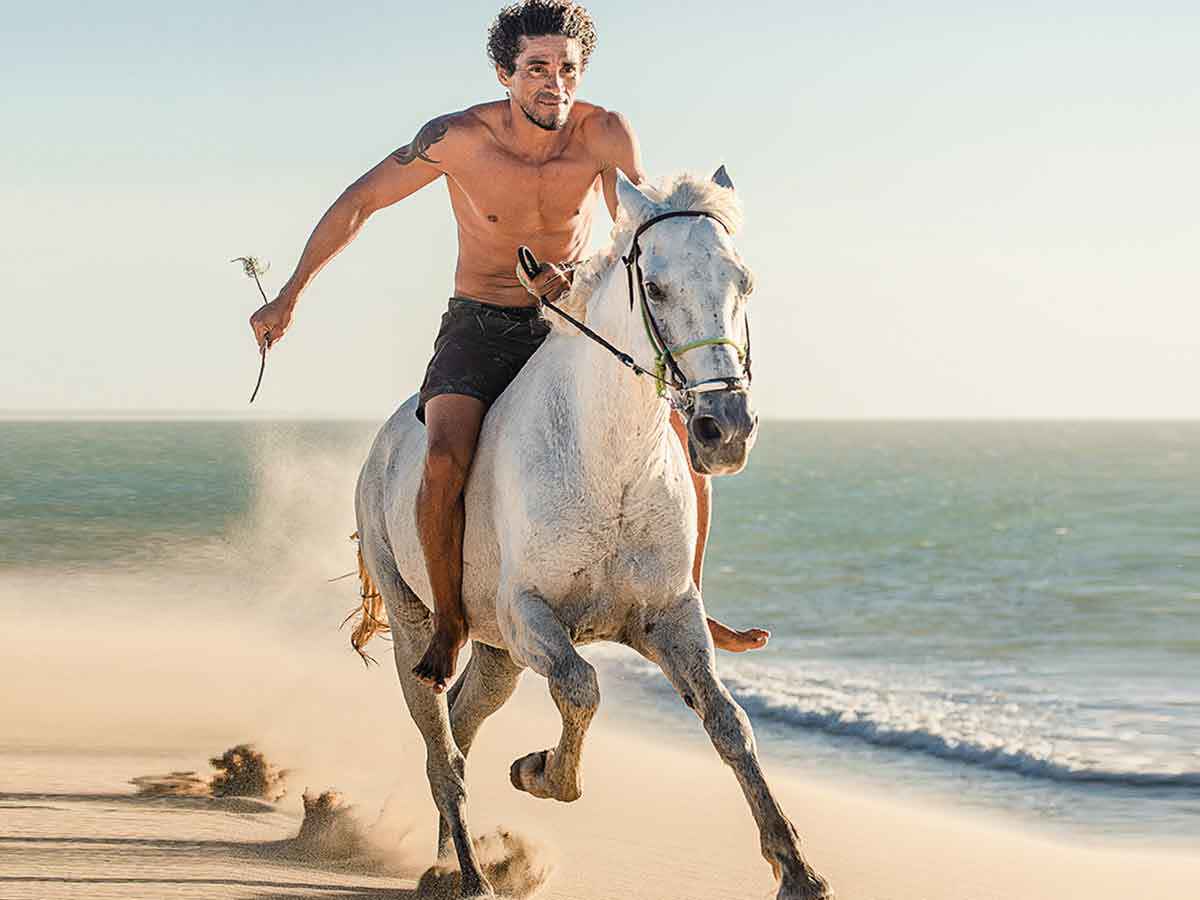 From €20.00⭐ 4.60
Explore Horse Riding Hurghada – Beach & Desert
Gallop along Hurghada's stunning Red Sea shoreline and canter into the golden desert on a well-trained horse. A magical 2-hour experience for all levels from €20 per adult.
View Experience
Related Articles
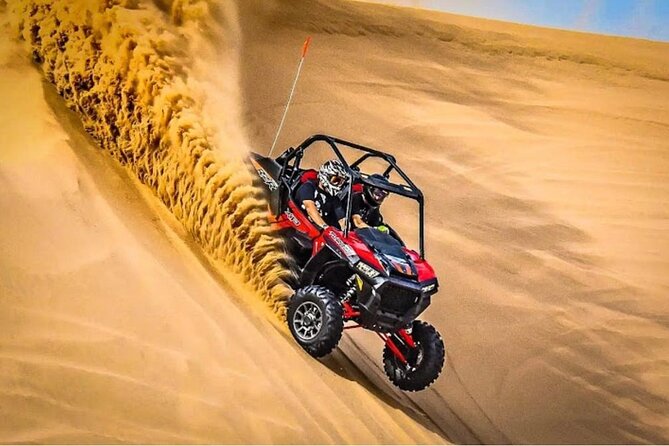
Buggy Safari Tips for Beginners: What the Ride Is Like and Buggy vs Quad
First buggy safari? Here is what the desert ride near Hurghada is really like, how a buggy compares with a quad bike, and simple tips for choosing the right trip and enjoying it safely.
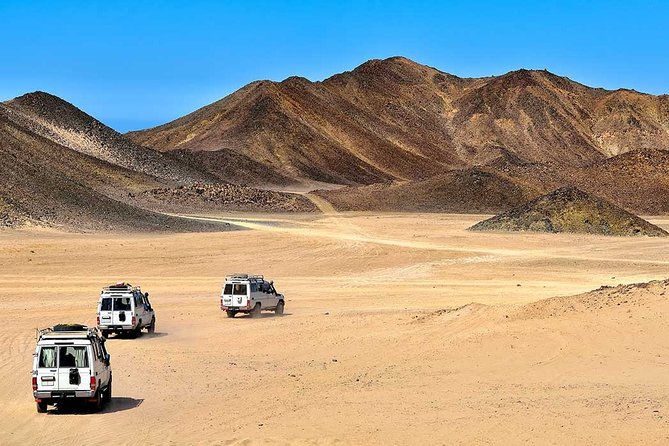
How Long Is a Desert Safari in Hurghada? Durations and Planning
From a 3-hour quad ride to a full day in a private buggy: here is how long each desert safari in Hurghada takes, where the time goes, and how to fit the right trip into your holiday plans.
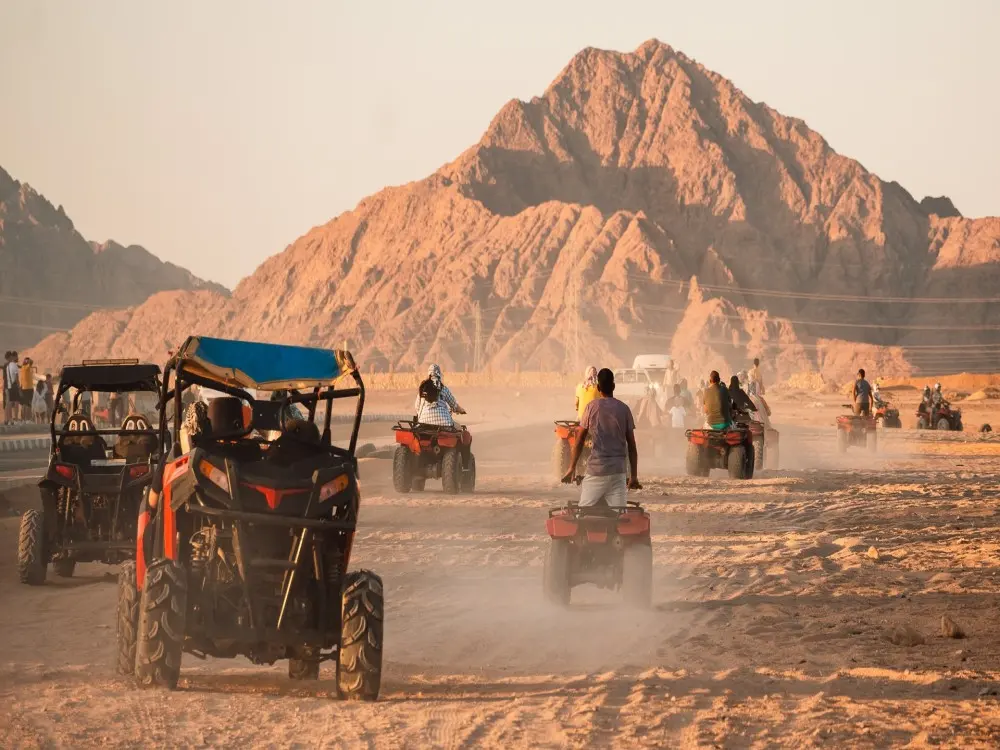
Cheap Desert Safari in Hurghada: How to Get the Best Value
The cheapest desert safari is not always the best value. Here is how to get a lot of desert for your money in Hurghada: what to compare, which trips give the most value, how to book direct and how to avoid hidden extras.