Bedouin Culture in Hurghada: Tea, Camels and Desert Hospitality
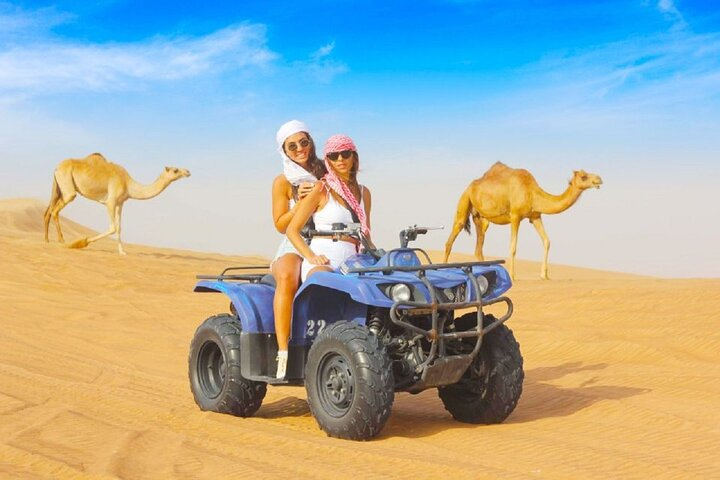
A visit to a Bedouin village is a highlight of many desert trips from Hurghada. Here is a simple introduction to Bedouin culture: hospitality and tea, camels, food and music, how to be a good guest, and which trips take you there.
For many visitors, the most memorable moment of a desert trip is not the quad ride but the stop at a Bedouin village: sitting in the shade with a glass of sweet tea, a camel resting nearby and the wide desert all around. This guide is a simple introduction to Bedouin culture in Hurghada: who the Bedouin are, what hospitality means in the desert, what you eat, drink and see, how to be a good guest, and which trips take you there.
Who are the Bedouin?
The Bedouin are Arab peoples of the desert. For centuries they lived as nomads, moving with their camels and goats from one water source to the next, in a landscape where very little grows. Their whole way of life was built around survival in the desert: knowing where to find water, how to read the land and the weather, and how to travel long distances with camels.
Today, many Bedouin families live in villages and settlements, and some work in tourism, welcoming visitors to their camps. But many traditions remain strong, and the most important of them is hospitality.
Hospitality: the heart of Bedouin culture
In the desert, a traveller without help could be in real danger. That is why welcoming guests became a sacred duty in Bedouin culture: anyone who arrives at a tent is offered shade, water, tea and food, without question. You will feel this tradition when you arrive at a village or camp on a desert trip. You are greeted, invited to sit, and the tea is already on its way.
Bedouin tea
Tea is the symbol of this welcome. It is brewed over a fire or a small stove, very sweet and often flavoured with herbs that grow in the desert. It is served in small glasses, and refilling a guest's glass is part of the ritual. Accept at least one glass with a smile; if you don't want more, a polite gesture is enough.
Bread and food
Traditional Bedouin bread is often baked over embers or on a hot metal plate. On the evening trips, dinner is a barbecue in the open air, with grilled meat or chicken, rice, salads and bread. Our guide to the Bedouin dinner in Hurghada describes these evenings in detail.
Camels: the ships of the desert
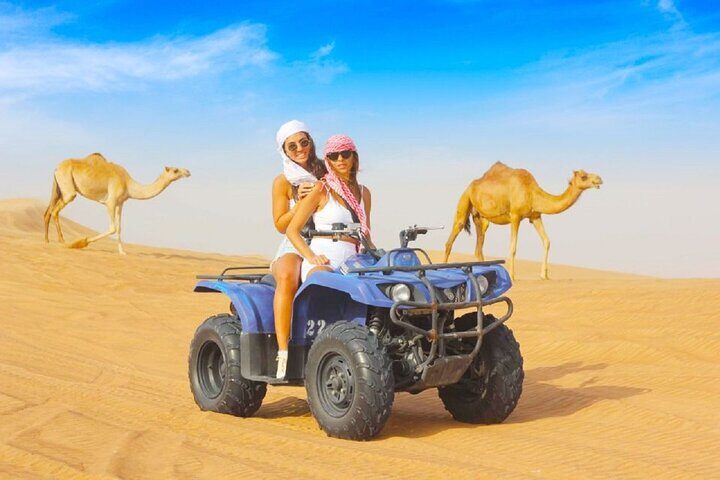
Camels made life in the desert possible: they carry heavy loads, walk for days, and can go a long time without drinking. For the Bedouin, they were transport, wealth and companions. Today, a short camel ride at the village is a highlight for visitors, especially children. It is part of our quad safaris, the buggy tour and the Super Safari. Hold on tight when the camel stands up: it rises back legs first.
Music, dance and stories
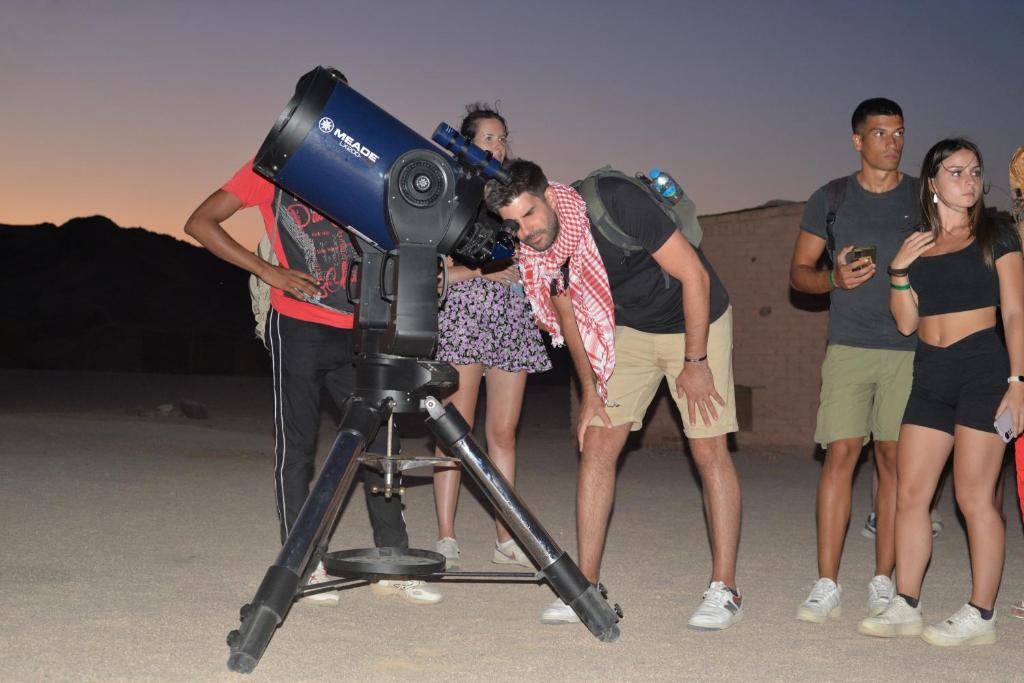
Evenings in the desert are traditionally a time for music and stories around the fire. On the Super Safari, dinner is followed by a show with Tanoura dancers, whose colourful spinning skirts come from Egyptian tradition, and belly dancers. On the stargazing desert adventure, the guide tells the stories behind the stars and constellations, which the people of the desert have used for navigation for a very long time.
Desert knowledge
Ask your guide about life in the desert, and you will hear about things you would never think of: how to find water, which plants are used as medicine or for tea, how to tell direction from the stars and the wind, and how the desert changes after the rare rain. It is one of the best parts of the visit, so don't be shy with your questions.
Life in the desert today
Bedouin life has changed a lot. Many families now live in houses, children go to school, and phones and cars are part of everyday life, even deep in the desert. At the same time, many traditions continue: camels are still valued, tea is still the first thing offered to a guest, and knowledge of the desert is passed from parents to children. The villages and camps you visit on a trip show a mix of old and new, and that is exactly what makes them interesting. Treat the visit as a meeting with people, not as a museum, and you will get much more out of it.
How to be a good guest
- •Greet people with a smile; a simple "salam" (peace) is always appreciated.
- •Ask before taking photos of people, especially women and children, and accept a no.
- •Dress modestly: closed shoes and clothes that cover shoulders and legs work for the desert anyway.
- •Accept the tea with your right hand and enjoy it.
- •Buy small souvenirs if you like them: they support the families you visit.
- •Take your rubbish with you and leave the desert as you found it.
Egyptian culture beyond the desert
Bedouin culture is one part of Egypt. In Hurghada itself, walk through El Dahar, the old town, with its souk and spices, try Egyptian dishes such as koshari and molokhia, and listen to the call to prayer from the mosques. For the story of ancient Egypt, a day trip to Luxor takes you to the Valley of the Kings and Karnak Temple, and our guides to the Egyptian gods and hieroglyphs are a good start before you go.
Visit a Bedouin village with us
Most of our desert trips include a stop at a Bedouin village or camp, with tea and a camel ride, and hotel pickup in Hurghada. Compare them on our desert safari guide, or send us a message on WhatsApp from any tour page and we will help you choose the trip that fits you best.
Book the tours from this article

Frequently Asked Questions
Share this article
Help others discover this guide
Start Your Hurghada Adventure Today
Experience the magic of Egypt's desert landscapes with our expertly guided tours. From thrilling quad bike safaris to serene camel rides under the stars.
Related Experiences You Might Enjoy
 From €20.00⭐ 4.60
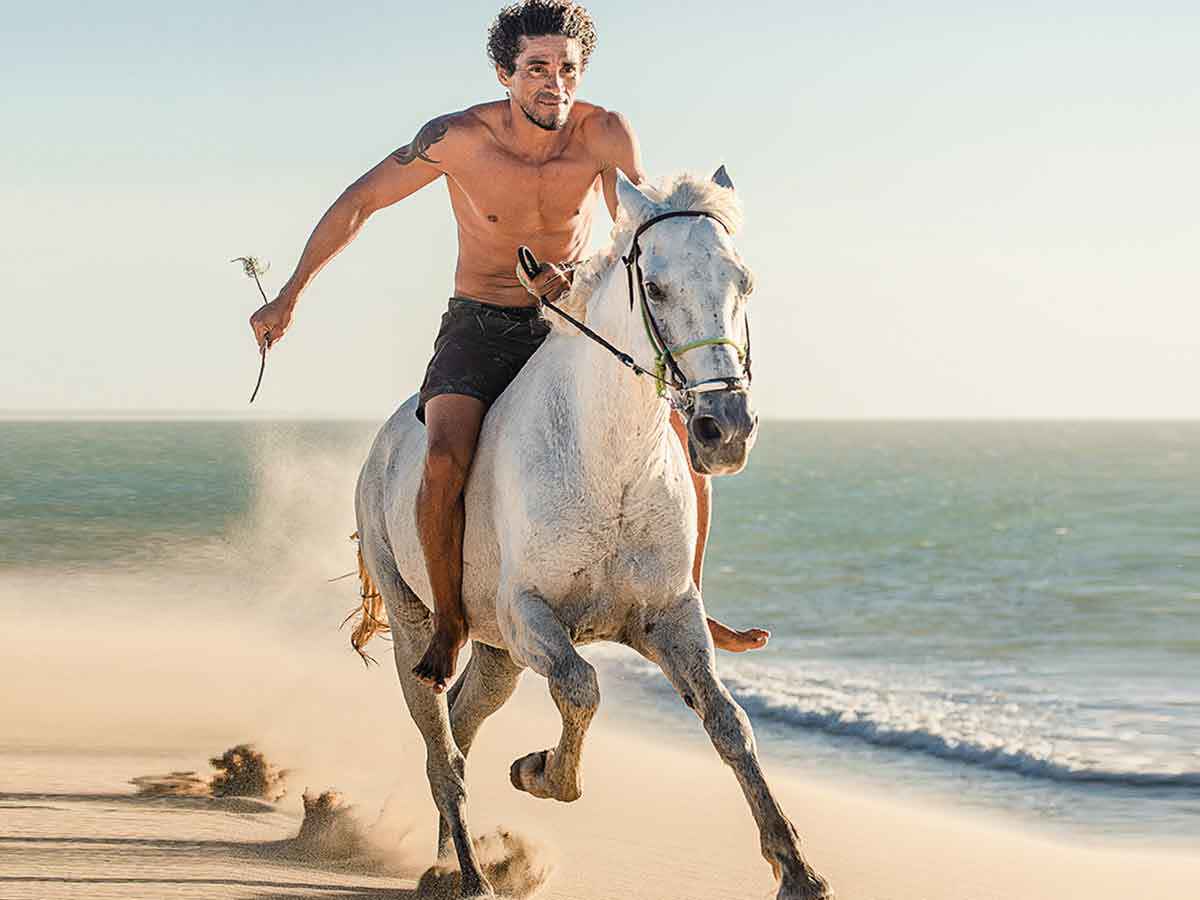
Explore Horse Riding Hurghada – Beach & Desert
Gallop along Hurghada's stunning Red Sea shoreline and canter into the golden desert on a well-trained horse. A magical 2-hour experience for all levels from €20 per adult.
View Experience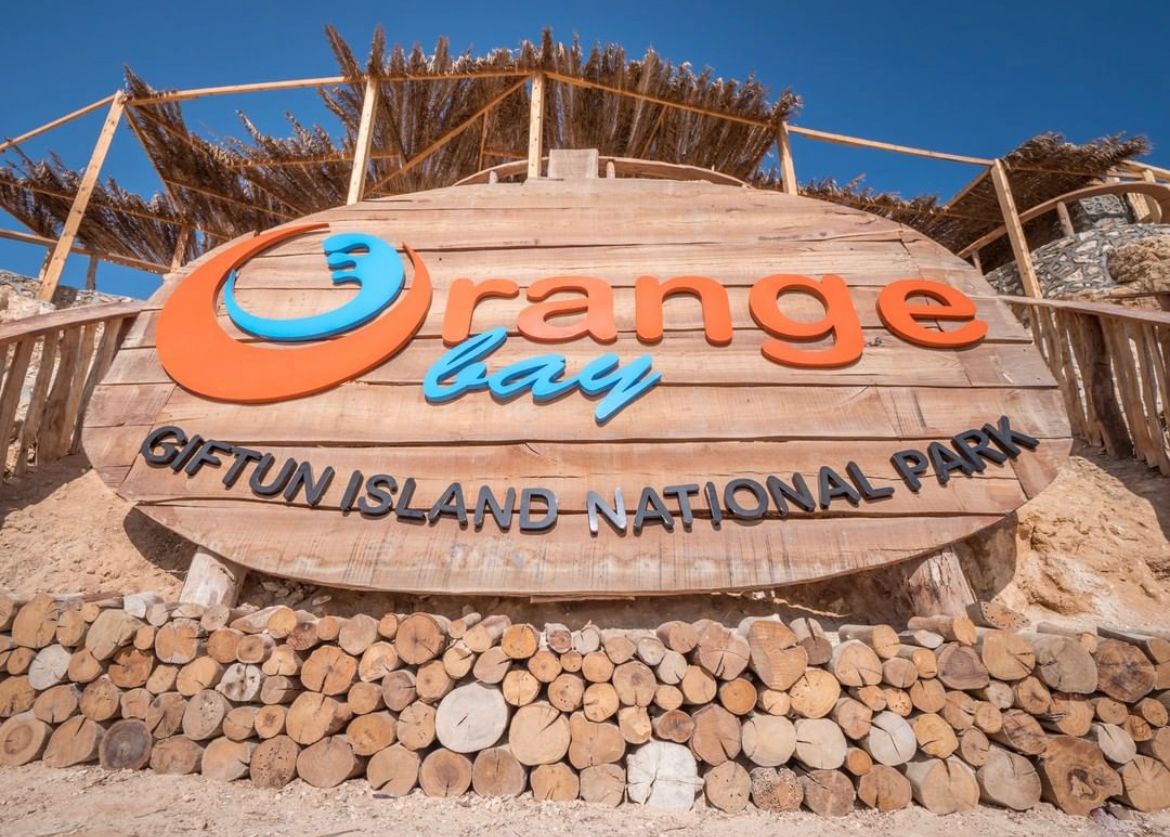 From €25.00⭐ 4.90
Explore Orange Bay From Hurghada Sea Trip
A perfect day at Orange Bay — Giftun Island National Park's most beautiful beach. Two snorkeling stops, buffet lunch on board, golden sandy beach, and all equipment included from €25 per adult.
View Experience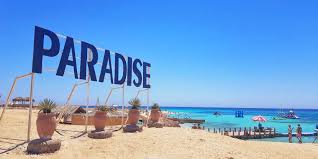 From €29.00⭐ 4.90
Explore Paradise Island From Hurghada Sea Trip
A perfect easy day at Paradise Island — one of the Red Sea's most beautiful beaches near Hurghada. Two snorkeling stops, 2 hours on the island beach, lunch on board, and everything included. €29 per adult.
View Experience
Related Articles
Buggy Safari Tips for Beginners: What the Ride Is Like and Buggy vs Quad
First buggy safari? Here is what the desert ride near Hurghada is really like, how a buggy compares with a quad bike, and simple tips for choosing the right trip and enjoying it safely.
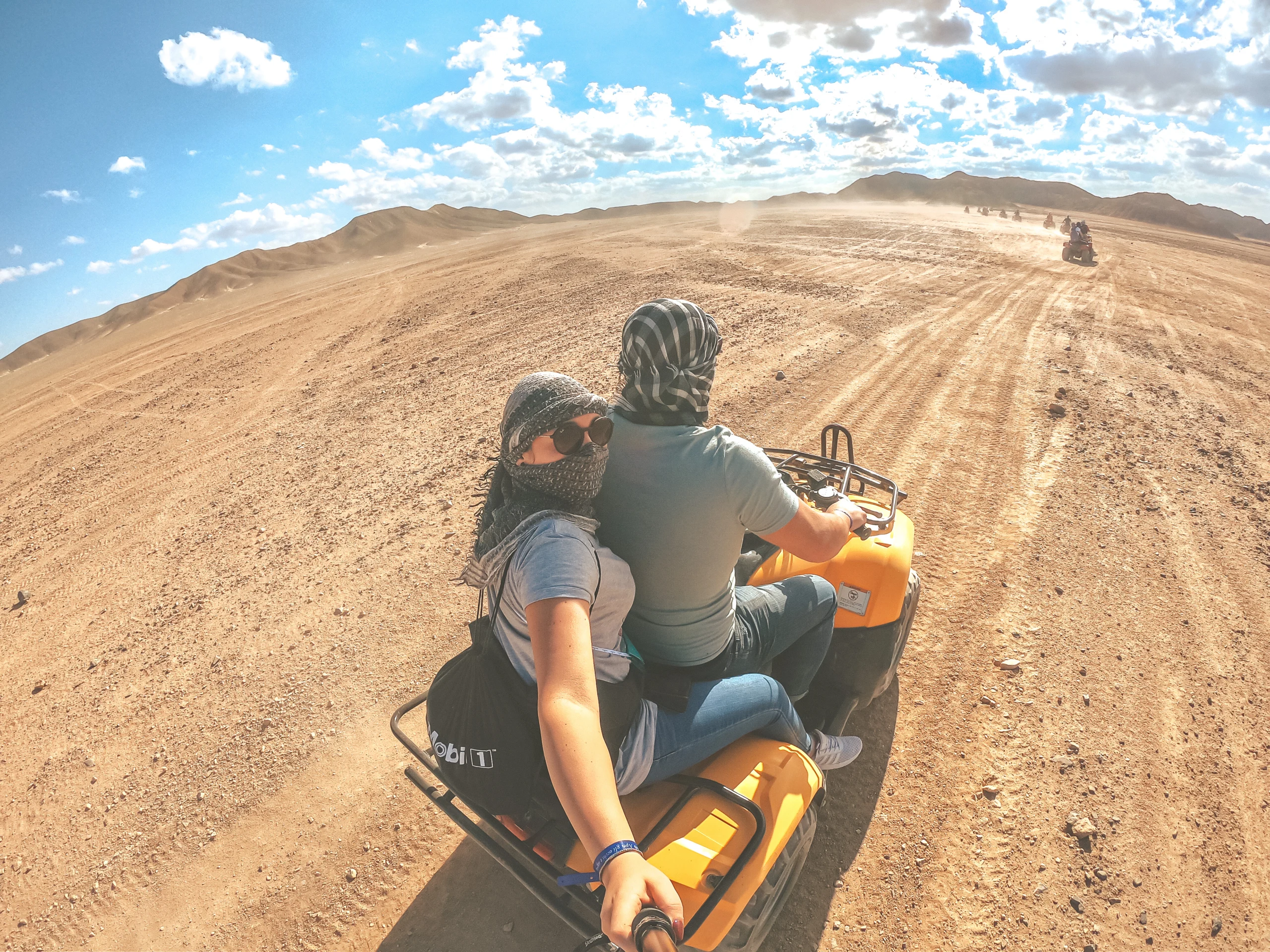
Eco-Friendly Travel in Hurghada: How to Enjoy the Desert and Sea Responsibly
The reefs and the desert are what make Hurghada special, and both are fragile. Here are simple, practical ways to travel responsibly: on the reef, near dolphins, in the desert, at Bedouin villages and in your everyday holiday choices.
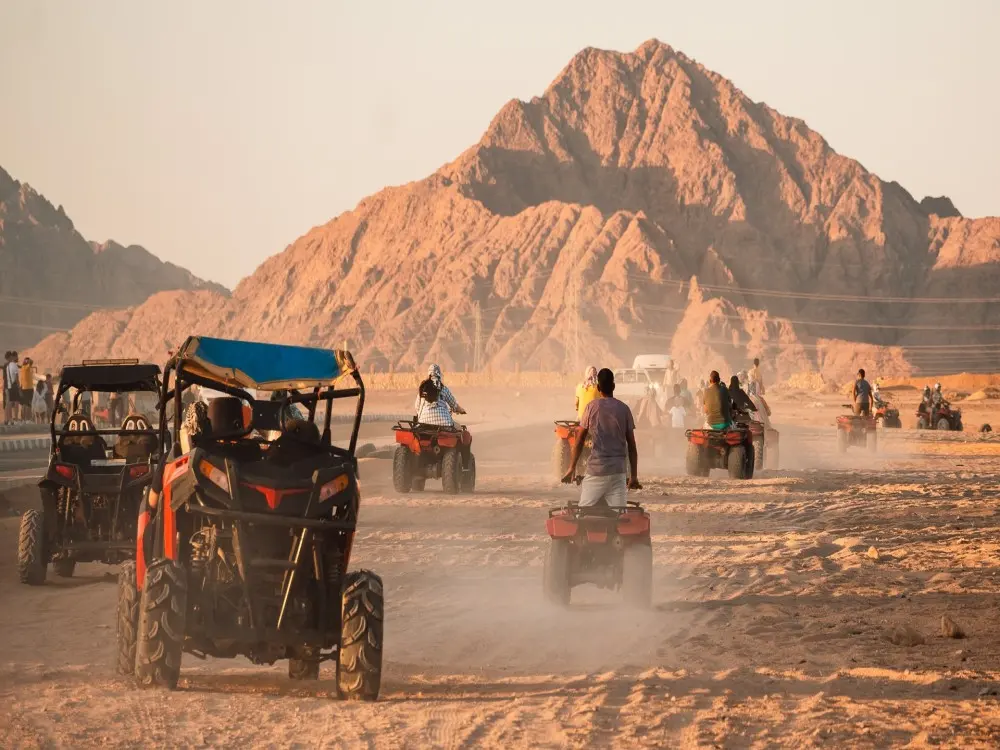
Cheap Desert Safari in Hurghada: How to Get the Best Value
The cheapest desert safari is not always the best value. Here is how to get a lot of desert for your money in Hurghada: what to compare, which trips give the most value, how to book direct and how to avoid hidden extras.